The Importance of Immediate Plumbing Assistance
In the realm of home maintenance, plumbing issues stand out as one of the most urgent concerns homeowners face. The need for immediate plumbing assistance cannot be overstated, especially when you consider the potential damage that can arise from a plumbing disaster. From burst pipes to clogged drains, responding swiftly can save you time, money, and stress in the long run. When exploring options, find out more about your local emergency plumbers and how they can assist you.
Why Timely Plumbing Solutions Matter
Timely interventions in plumbing scenarios are crucial for several reasons. First and foremost, water damage can escalate rapidly. A minor leak can lead to mold growth, structural damage, and a significant repair bill if left unattended. Additionally, emergency plumbing situations often occur at the least convenient times, such as late at night or during holidays, necessitating a fast response. Furthermore, addressing problems swiftly can help maintain the functional integrity of your plumbing system, prolonging its lifespan.
Common Plumbing Emergencies and Their Impact
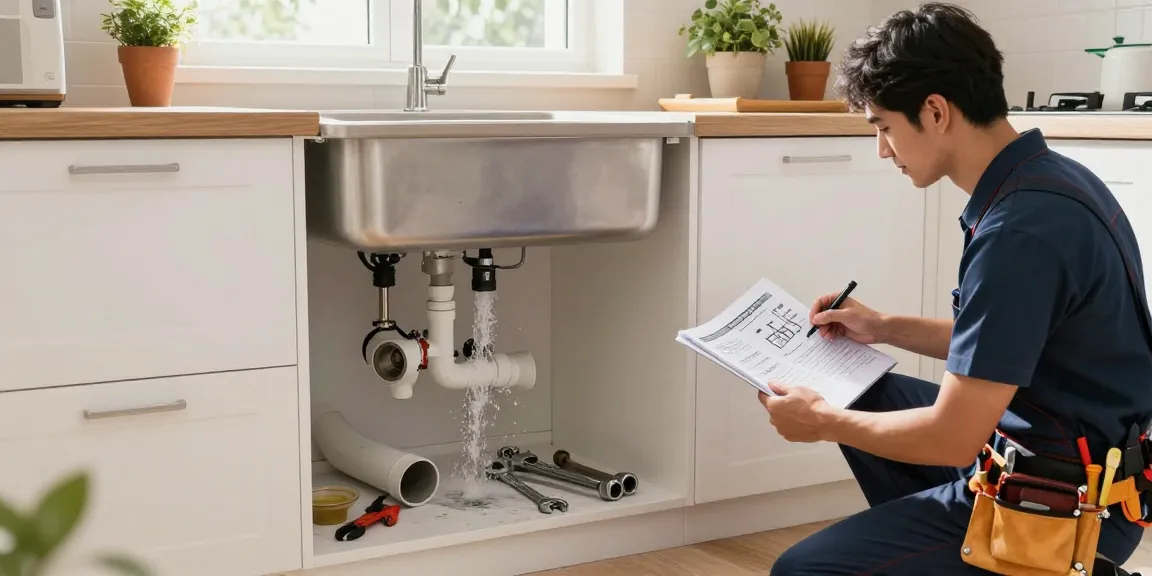
Common emergencies include burst pipes, overflowing toilets, and severe leaks. Each of these issues can cause extensive damage. For instance, a burst pipe can release thousands of gallons of water within hours, leading to immediate flooding and potential loss of valuables. Similarly, a backed-up sewer line can pose health risks and requires prompt intervention to manage.
Cost of Ignoring Plumbing Issues
Ignoring plumbing problems doesn't just lead to inconvenience; it often culminates in higher costs. For example, a simple faucet leak can waste up to 3,000 gallons of water annually, raising your utility bills significantly. Furthermore, repairs for secondary damage caused by neglecting plumbing emergencies can be far more expensive than addressing the initial problem head-on.
Identifying Plumbing Problems Quickly
Signs You Need Emergency Plumbing Help
Recognizing signs of a plumbing emergency can be the difference between minor repairs and major renovations. Key indicators include:
- Sudden changes in water pressure or flow.
- Unusual noises coming from pipes, such as banging or gurgling.
- Water pooling around plumbing fixtures or in unusual areas of your home.
- Foul odors indicating potential sewer leaks.
How to Diagnose Common Plumbing Issues
Diagnosing plumbing issues can often be done by observing symptoms and assessing the situation. For example, if multiple toilets are backing up, it could indicate a clog in the main sewer line. Alternatively, if you notice low water pressure throughout the house, it may suggest a leak in the plumbing system. Use tools such as pressure gauges and snaking devices to assist in identifying issues accurately.
Tools for Spotting Plumbing Problems
Equipping yourself with basic plumbing tools can enable you to spot and address minor issues before they escalate:
- Pipe wrench: Useful for gripping and turning pipes.
- Plumber’s snake: Ideal for clearing clogs in your drain lines.
- Water pressure gauge: Helps assess your home’s water pressure.
- Leak detection equipment: Can identify hidden leaks within walls or under floors.
Choosing the Right Emergency Plumber
Key Qualifications to Look For
When selecting an emergency plumber, consider their qualifications. Look for licensed professionals who have insurance to protect you against liability in case of accidents. Additionally, check for reviews and testimonials from previous customers to gauge their reliability and skill level.
Questions to Ask Before Hiring
Before hiring an emergency plumber, ask the following questions:
- What is your response time for emergencies?
- Can you provide references from previous clients?
- What guarantees or warranties do you offer on your work?
- Are you equipped to handle the specific issue I’m facing?
How to Check Plumber Credentials
Verifying a plumber's credentials is an essential step. Consult your state’s licensing board to confirm that they are licensed and in good standing. You can also look for membership in professional organizations, which often require adherence to industry standards and ethical practices.
Effective Do-It-Yourself Plumbing Solutions
Simple Fixes for Common Issues
While some plumbing issues require professional intervention, there are simple solutions you can try at home:
- For a clogged sink, use a mixture of baking soda and vinegar to break down debris.
- Leaky faucets can often be fixed by replacing worn washers or O-rings.
- Clear minor clogs in toilets with a plunger or a toilet auger.
When to Try DIY Repairs
DIY repairs are suitable for minor issues, but you should always know your limits. If a problem seems beyond your expertise or poses a risk to your home, it’s best to call a professional immediately. Always prioritize safety and proper technique when attempting repairs.
Safety Tips for Home Plumbing Repairs
When tackling plumbing repairs, safety should always come first. Here are essential safety tips:
- Shut off the water supply before starting any repair work.
- Use protective gear like gloves and goggles when handling plumbing materials.
- Ensure proper ventilation if using chemical drain cleaners.
Future Trends in the Plumbing Industry
Technology and Innovations in Plumbing
The plumbing industry is evolving with advancements in technology. Smart home devices, for instance, can monitor water usage and detect leaks in real-time, allowing homeowners to address issues before they escalate. Additionally, new materials like PEX piping can offer improved durability and efficiency over traditional materials.
Sustainable Plumbing Practices
As sustainability becomes a priority, plumbing practices are also shifting. Water-efficient fixtures and appliances are gaining popularity, which not only help conserve water but can also lower utility bills. Furthermore, technologies such as greywater recycling systems are emerging, allowing homeowners to reuse water for irrigation and other non-potable uses.
What to Expect in 2026 and Beyond
As we look ahead to 2026, expect to see greater integration of smart technology in plumbing, such as AI-driven diagnostics that can predict plumbing failures before they occur. Furthermore, the push for eco-friendly practices in the construction and renovation sectors will likely continue, driving innovations in both materials and methods.
What should I do in case of a plumbing emergency?
In the event of a plumbing emergency, immediately shut off the water supply to prevent further damage. Then, assess the situation and determine if you can handle the issue or need to call for professional help.
How can I find an emergency plumber near me?
To locate an emergency plumber, search online for local services, check reviews, and ask for recommendations from neighbors or friends.
Are there preventative measures for plumbing issues?
Yes, preventative measures include regular maintenance checks, using strainers in sinks to catch debris, and being cautious about what you flush down toilets.
How do I know if a plumber is qualified?
To ensure a plumber’s qualifications, check their licensing status, read reviews, and ask for references from past clients about their service history and expertise.
What's the average cost of emergency plumbing services?
The average cost of emergency plumbing services can vary widely depending on the issue and location, but expect to pay between $150 to $450 for most emergency calls.