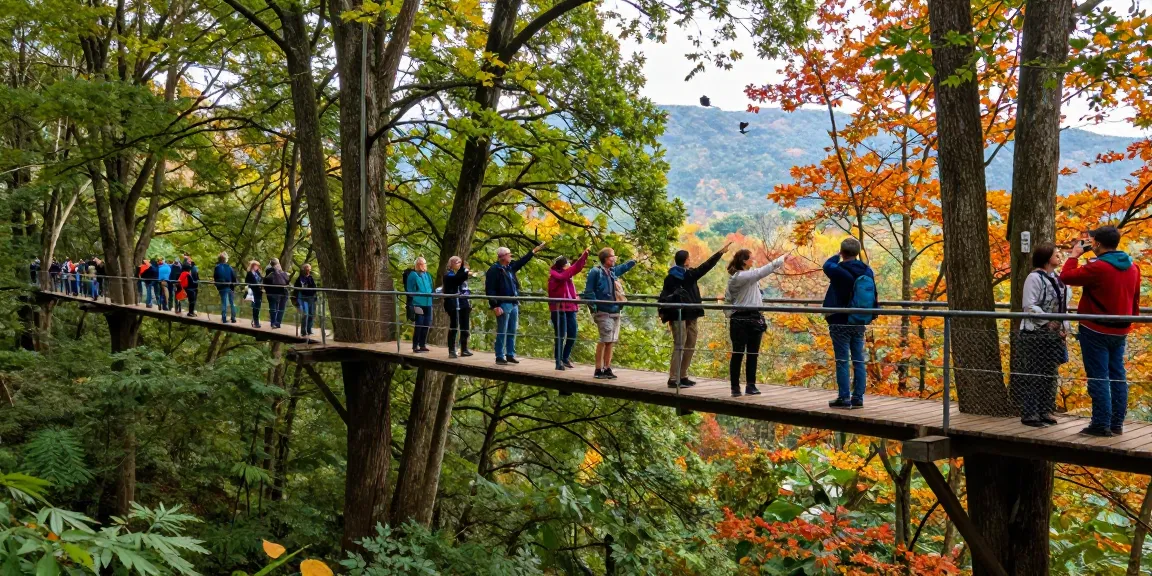
Understanding the Treetop Walkway Phenomenon
The allure of treetop walkways lies in their unique ability to blend adventure with the tranquillity of nature. These elevated pathways, often suspended high above the forest floor, offer visitors an unparalleled view of wildlife and plant life from an entirely new perspective. As you stroll along, surrounded by the rustling leaves and chirping birds, the experience becomes a remarkable communion with nature. When exploring options, Treetop Walkway provides comprehensive insights on various treetop experiences available worldwide.
What is a Treetop Walkway?
A treetop walkway, also known as a canopy walkway or treetop walk, is a pedestrian bridge elevated above the ground that allows visitors to explore the forest canopy. These walkways are designed to immerse individuals in a natural setting while minimizing their impact on the environment. They typically consist of wooden or metal pathways and may include viewing platforms, rope bridges, and observation towers that enhance the overall experience.
Key Features of Treetop Walkways
- Elevation: Most treetop walkways are built at varying heights, often between 20 to 70 feet above the forest floor, offering stunning vistas of the surrounding landscape.
- Accessibility: Many walkways feature ramps and smooth pathways designed to accommodate visitors of all ages, including those with mobility challenges.
- Educational Elements: Interpretive signage and guided tours frequently accompany these installations, providing insights into local flora and fauna.
- Environmental Integration: Constructed with sustainability in mind, these walkways use eco-friendly materials and techniques that help preserve the integrity of ecosystems.
Historical Context and Development
The concept of treetop walkways is not new; however, their popularity has soared in recent decades as ecological awareness has increased. The first canopy walkways were established in the late 20th century, primarily in tropical rainforests, aimed at promoting conservation efforts while allowing people to experience biodiversity up close. Since then, many have emerged, particularly in areas rich in natural beauty, contributing to both tourism and conservation efforts worldwide.
Benefits of Treetop Walkways for Visitors
Exploring a treetop walkway offers numerous advantages beyond just breathtaking views. These structures provide an opportunity to engage with nature in profound ways, contributing to physical health and mental well-being.
Unique Perspectives on Nature
Visitors often remark on the fresh perspectives gained from being among the treetops. From higher altitudes, one can see the structural layers of forests, observe the interactions between various wildlife species, and appreciate the diverse ecosystem that thrives overhead. This vantage point is particularly exhilarating for birdwatchers and nature enthusiasts as it allows for close encounters with birds and other wildlife that are otherwise hidden from view.
Physical and Mental Health Advantages
Studies show that spending time in natural environments can reduce stress, improve mood, and enhance overall health. Walking at elevation not only provides a mild workout but also encourages mindfulness and appreciation for one's surroundings. The physical exertion combined with the therapeutic benefits of nature make treetop walks a valuable addition to healthy lifestyles.
Family-Friendly Outdoor Activities
Treetop walkways are designed to be family-friendly, offering activities suitable for visitors of all ages. Whether it's a leisurely stroll with children or an adventurous exploration with friends, these walkways provide a safe and enjoyable way to connect with nature. Interactive exhibits and educational programs enhance the experience, making it both fun and informative for families.
Top Treetop Walkways Around the World
As more treetop walkways are constructed globally, several have gained recognition for their unique features, heights, and experiences they offer. Here, we look at some iconic locations that are worth visiting.
Iconic Locations Worth Visiting
- The Treetop Walk at Kew Gardens, London: This walkway offers visitors an opportunity to walk 18 metres above ground through a beautiful collection of trees, providing a stunning natural view of the gardens below.
- Wild Walk at The Wild Center, New York: This adventure includes a series of bridges that take visitors high above the forest floor and offers various interactive elements that appeal to nature lovers of all ages.
- Murch Canopy Walk, Ohio: Spanning 500 feet and rising 65 feet high, this walkway provides a unique connection between the forest floor and the treetops.
Comparison of Lengths and Heights
While many treetop walkways vary in both length and height, they each provide a unique experience. For instance, Kew Gardens' walkway is renowned for its blend of art and nature, while the Murch Canopy Walk is celebrated for its impressive height and structural design. Visitors should consider their comfort levels and interests when selecting which to explore.
Notable Features and Attractions
Many treetop walkways offer more than just scenic views. Features such as educational signs, birdwatching platforms, and viewing towers enhance the experience. Some paths even include exciting elements like swings, rope bridges, or climbing walls, providing an adventurous twist to the nature experience.
Planning Your Visit to a Treetop Walkway
Before embarking on your treetop adventure, it is essential to plan ahead to ensure a fulfilling experience. Knowing the logistics, seasonality, and preparation tips can significantly enhance your visit.
Best Seasons to Experience Treetop Walks
The best time to visit a treetop walkway often depends on the location and climate. In most regions, spring and autumn are ideal due to mild temperatures and beautiful foliage. Early mornings or late afternoons can also provide cooler temperatures and more vibrant scenery.
Preparation Tips for an Enjoyable Visit
Dress appropriately for the weather and consider wearing comfortable shoes suited for walking. Bring along water and snacks, and a camera to capture the breathtaking views. Additionally, check the walkway's accessibility options if travelling with children or individuals requiring special assistance.
What to Expect During Your Treetop Adventure
During your visit, expect to be immersed in the sights and sounds of the forest. Many walkways also offer guided tours that provide context and highlight the natural history of the area. Be prepared for some elevated heights, which can be exhilarating and may require a bit of courage for those with a fear of heights.
Future Trends for Treetop Walkways in 2026 and Beyond
As the demand for sustainable tourism grows, so too does innovation in the design and function of treetop walkways. Looking ahead, we can anticipate exciting developments in this area.
Innovations in Design and Sustainability
The future of treetop walkways is likely to include enhancements in eco-friendly construction materials, energy-efficient lighting, and interactive educational features that further engage visitors without impacting the environment. These innovations will ensure that walkways become even more integrated into the landscapes they occupy.
Expanding Accessibility and Inclusivity
Efforts to make treetop walkways more inclusive are underway, with designs intended to accommodate individuals with disabilities more effectively. Future walkways may feature improved accessibility through gradual inclines, wider paths, and rest areas, ensuring everyone can enjoy these natural wonders.
Predicting Visitor Trends and Interests
As more people embrace the importance of nature in their lives, we can expect an increase in family-oriented, educational experiences on these walkways. Moreover, younger generations are likely to seek out eco-tourism opportunities that align with their values, prompting further development of treetop experiences that educate while providing enjoyment.
Is the Treetop Walkway Worth the Visit?
Many who have experienced a treetop walkway affirm that the experience is not only worth it but often exceeds expectations. The combination of activity, education, and interaction with the natural world creates lasting memories.
What Should You Wear and Bring?
Comfort is key; wear appropriate footwear, light layers suitable for the weather, and if going during sunnier months, consider sunglasses and sunblock. Don't forget to hydrate and bring along snacks for energy!
Are Treetop Walkways Safe for Children?
Most treetop walkways are designed with safety as a priority, featuring railings and secure paths. However, parents should always supervise children and follow specific path guidelines to ensure a safe experience.
How to Get to the Nearest Treetop Walkway?
Planning your route to a treetop walkway can often be done via GPS or mapping apps. Many walkways are situated in natural parks or reserves, making them accessible by road. Check the website of your chosen walkway for specific directions and any transportation options available.
What are the Costs Involved in Visiting?
Costs can vary significantly based on the location and time of year. Some walkways charge a nominal entrance fee, while others may be free. It’s wise to check online or call ahead regarding any current promotions or group rates.