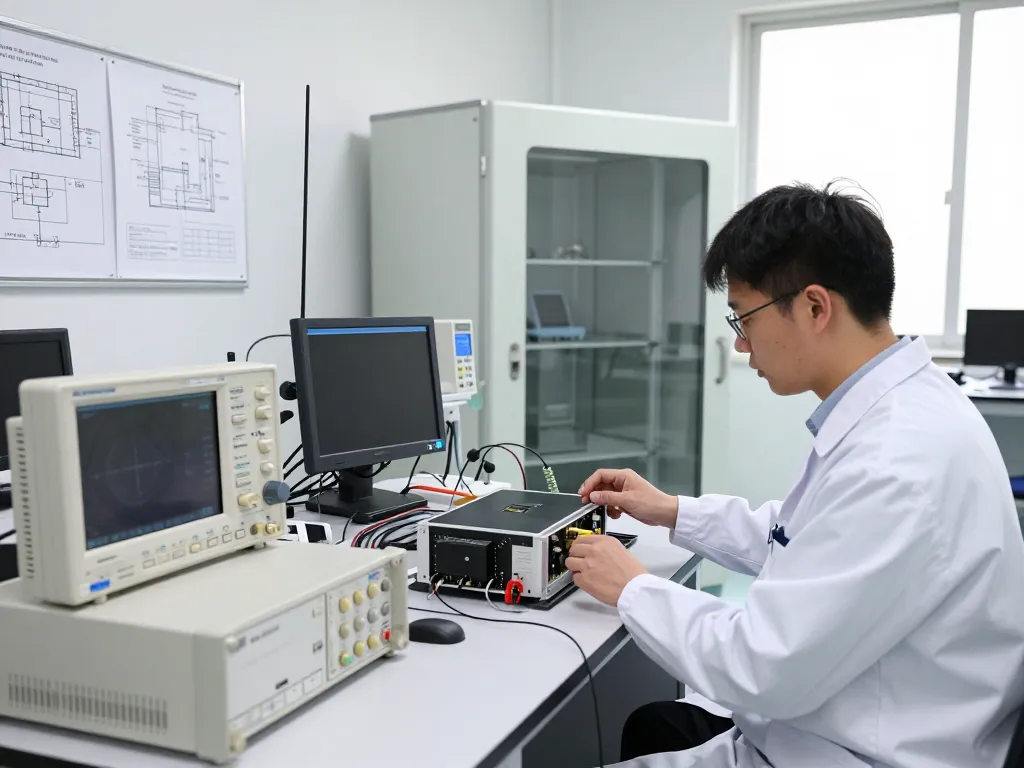
Understanding EMC Testing: A Comprehensive Overview
Electromagnetic Compatibility (EMC) Testing is a critical process that ensures electronic devices operate as intended without causing or experiencing interruptions from electromagnetic interference (EMI). As technology advances, the complexity of electronic devices increases, making compliance to EMC standards essential for manufacturers looking to penetrate global markets. At Stancer Testing-Lab, our EMC Testing services are designed to help businesses meet these rigorous specifications and navigate the intricacies of regulatory compliance.
What is EMC Testing?
EMC Testing refers to a series of evaluations that assess how electrical and electronic devices respond to electromagnetic interference. This ensures that the devices in question can function correctly in their intended environment while remaining non-disruptive to other electronic systems. The core aim of EMC Testing is to mitigate risks associated with EMI by validating that products meet established international standards.
Importance of Electromagnetic Compatibility
The importance of EMC cannot be understated. As devices become more interconnected, the potential for electromagnetic interference increases, which can lead to malfunctions and compromised safety. Effective EMC Testing ensures that your products achieve the necessary compliance, allowing them to operate smoothly in environments where various levels of EMI are present. This not only enhances product reliability but also safeguards the company's reputation by reducing the likelihood of recalls and customer dissatisfaction.
Regulatory Standards for EMC Compliance
Manufacturers must adhere to a variety of regulatory standards depending on their market and industry. Common standards include the Federal Communications Commission (FCC) rules in the United States, the Industry Canada (ISED) regulations, the European CE mark, and the European Telecommunications Standards Institute (ETSI) requirements. Each of these frameworks outlines specific EMC criteria that devices must meet to achieve market access, emphasizing the need for thorough EMC Testing.
Key Types of EMC Tests Explained
Understanding the various types of EMC tests is crucial for ensuring comprehensive compliance. Each test focuses on different aspects of a product's electromagnetic performance and involves specific methodologies tailored to the device's intended application.
Conducted Emissions and Immunity Testing
Conducted emissions testing evaluates the levels of electromagnetic noise a device emits into its power and communication lines. This can include tests for both intentional emissions (like radio transmissions) and unintentional emissions (like noise from circuits). Immunity testing, on the other hand, assesses a device's resilience to incoming electromagnetic interference, ensuring it can withstand disruptions without malfunctioning.
Radiated Emissions and Immunity Testing
Radiated emissions testing measures the electromagnetic field strength emanating from a product, ensuring it does not exceed specified limits. Conversely, radiated immunity testing exposes a device to controlled electromagnetic fields to verify that its performance remains unaffected within certain frequency ranges. Both types of tests are essential for devices that operate wirelessly, as they help mitigate interference from other radio frequency sources.
Automotive EMC Testing Standards
Automotive EMC testing is particularly rigorous, as vehicles host a combination of electronic systems that must function harmoniously. Standards such as the ECE Regulation 10 (R10), ISO 16750, CISPR 12, and CISPR 25 establish criteria for emissions and immunity that automotive components must meet. Conducting these tests not only ensures compliance but also enhances vehicle safety and performance in real-world conditions.
Why Choose Stancer Testing-Lab for EMC Testing?
Choosing the right testing lab for EMC compliance is paramount to streamline the approval process and ensure your products meet all necessary standards. Stancer Testing-Lab offers a wide array of advantages that make us the ideal partner for your EMC testing needs.
State-of-the-Art Testing Facilities
Our testing facilities are equipped with the latest technology and testing equipment, ensuring that all procedures meet international standards for precision and reliability. This commitment to using cutting-edge technology allows us to deliver accurate results that can significantly impact your product's success in the market.
Expertise and Experience in EMC Compliance
Our team of experienced engineers brings a wealth of knowledge and expertise in EMC testing across various industries. This experience translates into a deep understanding of the challenges faced by our clients, enabling us to provide tailored solutions that address specific compliance needs.
Tailored Solutions for Various Industries
Stancer Testing-Lab recognizes that each industry has unique requirements. We specialize in a broad range of sectors, including telecommunications, medical devices, automotive, and robotics, among others. Our customized approach ensures that the solutions we provide meet the specific regulatory challenges and market demands of your industry.
Streamlining the EMC Testing Process
At Stancer Testing-Lab, we understand that the EMC testing process can be daunting. Therefore, we have developed a streamlined approach that facilitates a smooth journey from consultation to certification.
Initial Consultation and Product Assessment
The first step in our process is a thorough consultation. During this stage, we work closely with you to gain an understanding of your product, its intended use, and any specific compliance requirements you may have. This foundational assessment is crucial for tailoring the testing approach to your product's unique characteristics.
Testing Procedures and Analysis
Once we have defined the project's scope, our skilled team conducts the necessary tests to evaluate your product's electromagnetic compatibility. We take meticulous steps to ensure that testing is comprehensive and adheres to all applicable standards. Following the testing phase, we provide detailed analysis and reports that highlight findings and suggest necessary modifications if required.
CERTIFICATION: What to Expect After Testing
Upon successful completion of testing, we facilitate the certification process on your behalf. This includes preparing and submitting all required documentation to the relevant regulatory bodies. Our goal is to ensure that your products are not only compliant but also ready for market entry with minimal delay.
Future Trends in EMC Testing for 2026 and Beyond
The landscape of EMC testing is continually evolving, influenced by technological advancements and regulatory changes. Staying ahead of these trends is crucial for manufacturers aiming to maintain compliance and innovate effectively.
Emerging Technologies Impacting EMC Testing
As new technologies emerge, including 5G, the Internet of Things (IoT), and advanced automotive systems, the need for robust EMC testing is more pressing than ever. These technologies introduce new variables that can affect electromagnetic compatibility, necessitating updated testing methodologies.
Predicted Regulatory Changes
Anticipated changes in regulatory frameworks may affect compliance requirements significantly. Manufacturers must be proactive in understanding these shifts to ensure their products remain compliant and competitive in the global marketplace.
Best Practices for Future-Proofing Your Products
To prepare for upcoming changes, companies should adopt best practices that include comprehensive testing across multiple scenarios, implementing design changes early in the development process, and staying informed about regulatory updates. By taking these proactive steps, organizations can future-proof their products against evolving EMC standards.
What are the benefits of EMC Testing for product developers?
EMC testing offers numerous advantages for product developers, including enhanced product reliability, reduced risk of costly recalls, and increased market access. By ensuring compliance at the development stage, companies can streamline their production processes and improve overall customer satisfaction.
How long does the EMC testing process typically take?
The duration of the EMC testing process can vary depending on the device's complexity and the specific regulatory requirements it must meet. Generally, testing can range from a few days to several weeks, particularly if design modifications are needed. This highlights the importance of early engagement in the testing process to minimize delays.
What industries are most affected by EMC compliance requirements?
Various industries are impacted by EMC compliance requirements, including telecommunications, medical devices, automotive, robotics, lighting, and audiovisual technologies. Each sector has specific standards and regulations that govern device performance and safety, making effective compliance strategies essential.
What common mistakes should be avoided during EMC testing?
Common mistakes during EMC testing include inadequate pre-compliance testing, overlooking regulatory updates, and failing to consider the device’s end-use environment. By addressing these areas, companies can enhance their testing outcomes and avoid costly oversights.
How can companies prepare for upcoming changes in EMC regulations?
To prepare for changing EMC regulations, companies should regularly review compliance standards, invest in ongoing employee training, and engage with testing laboratories early in the product development process. This proactive stance ensures that organizations remain compliant and competitive in an ever-evolving landscape.