Understanding the Everest Base Camp Trek with Helicopter Return
The Everest Base Camp Trek with Helicopter Return is an exhilarating journey that allows adventurers to experience the breathtaking beauty of the Himalayas without the daunting challenge of a lengthy return trek. This unique trekking experience combines a picturesque hike to the legendary base camp of Mount Everest with the convenience of a helicopter ride back to Lukla, significantly reducing travel time and physical strain. For those eager to reach one of the most iconic landmarks in the world while maintaining comfort, this trek presents an ideal solution. When exploring options, Everest Base Camp Trek with Helicopter Return provides comprehensive insights into this remarkable adventure.
What is the Everest Base Camp Trek with Helicopter Return?
The Everest Base Camp trek is one of the most famous treks globally, taking trekkers through stunning landscapes and rich Sherpa culture. The traditional itinerary typically includes a two-week journey to the base of Mount Everest, where trekkers acclimatize and relish the spectacular views. However, the helicopter return option, often completed in a shorter time frame, offers a more efficient way to experience this iconic trek without compromising on the immersive experience of the region. In this version of the trek, participants hike approximately 65 kilometers, navigating through stunning villages, lush forests, and breathtaking mountain landscapes, before taking a helicopter back from Gorak Shep or Pheriche to Lukla.
Benefits of Choosing a Helicopter Return
- Time Efficiency: The helicopter return significantly reduces the time spent trekking, allowing you to complete the entire experience in about 12 days compared to the traditional 14-day trek.
- Less Physical Strain: By taking a helicopter for the return journey, trekkers can avoid the physically demanding descent, which can be taxing on the body, particularly at high altitudes.
- Stunning Aerial Views: Flying back gives trekkers a unique perspective of the Himalayan landscape, with breathtaking views that are often missed on foot.
- More Flexibility: For those with limited vacation time, this option allows for a more flexible itinerary while still enjoying the majestic beauty of Mount Everest.
What to Expect on Your Trek
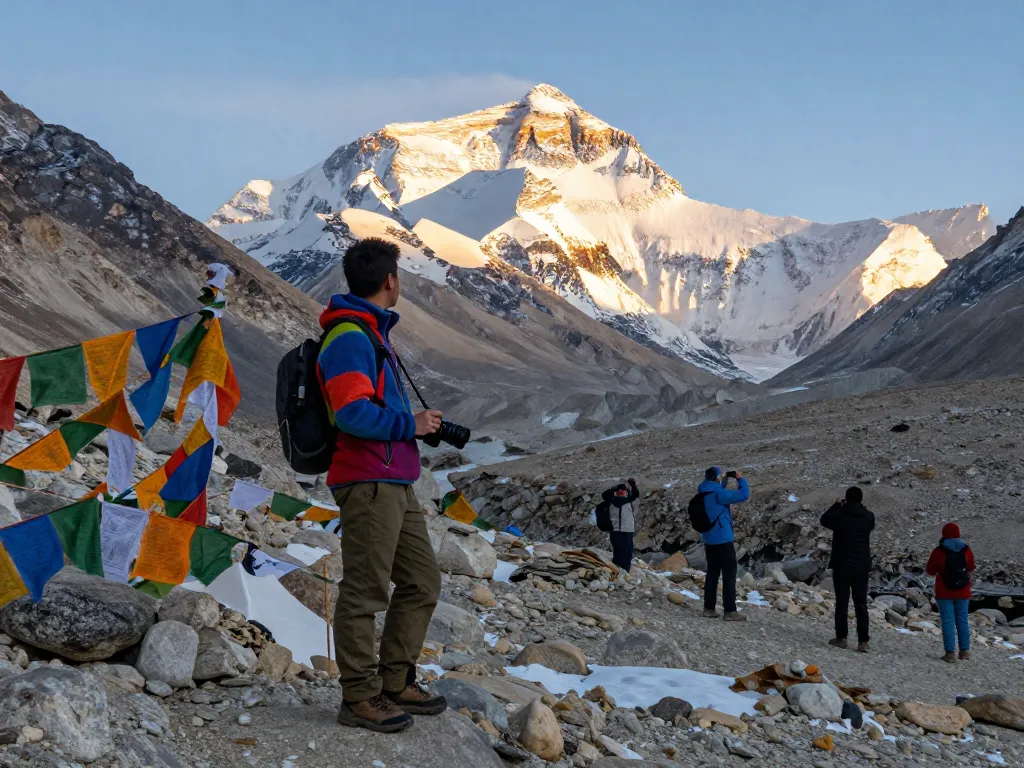
When embarking on the Everest Base Camp Trek with Helicopter Return, trekkers can expect both awe-inspiring scenery and cultural experiences. The trek generally takes you through iconic locations like Namche Bazaar, Tengboche Monastery, and the Khumbu Glacier. Each leg of the trek is punctuated with stunning vistas of snow-capped peaks and glimpses into the life of local Sherpa communities. Early mornings often include heartwarming sunrises that illuminate the surrounding mountains in hues of orange and pink. Moreover, the itinerary is designed to allow for acclimatization, passing through increasing altitudes while providing essential rest days to minimize the risk of altitude sickness.
Planning Your Journey: Essential Preparations
Best Times to Trek Everest Base Camp
The best times to undertake the Everest Base Camp trek are during the spring (March to May) and autumn (September to November) seasons. These months typically offer the most stable weather conditions and fantastic views, minimizing the chances of rain or snow that can disrupt trekking plans. Spring is especially noted for blooming rhododendron forests, while autumn boasts clear skies and vibrant colors. Trekking during these peak seasons ensures a more enjoyable experience.
What Gear Do You Need?
Equipping yourself properly is vital for a successful trek to Everest Base Camp. Essential gear includes:
- High-quality trekking boots with good ankle support
- Warm and breathable clothing layers, including a down jacket
- Waterproof gear, such as jackets and pants
- Durable trekking poles
- Sleeping bag rated for extreme cold temperatures
- Personal hygiene items and first aid kit
- High-energy snacks and sufficient hydration systems
It's advisable to invest in reliable trekking gear to ensure safety and comfort throughout your journey.
Permits and Regulations for Trekking
To trek to Everest Base Camp, you will need specific permits. The Sagarmatha National Park Entry Permit costs approximately $30, and a TIMS (Trekkers’ Information Management System) card might also be required for safety and tracking purposes. It is crucial to obtain these permits prior to your journey and have them available during your trek, as they are checked at various points along the trail.
Training for the Everest Base Camp Trek
How to Prepare Physically
Preparation for the Everest Base Camp trek should ideally begin several months in advance. A balanced fitness regimen focusing on cardiovascular endurance, strength training, and flexibility can greatly enhance your trekking experience. Activities such as:
- Hiking with a weighted backpack
- Running or cycling for stamina
- Strength training to build core and leg muscles
- Yoga or pilates for balance and flexibility
Incorporating these activities into your routine will help your body acclimatize to the rigors of trekking at high altitudes.
Important Skills for Trekkers
Beyond physical preparation, developing certain skills can also be beneficial:
- Navigation and map reading
- Understanding altitude sickness symptoms and management
- Emergency response protocols
- Basic survival skills in case of unexpected situations
By honing these skills, trekkers can enhance their overall trekking safety and enjoyment.
Nutrition and Hydration Tips
During the trek, maintaining proper nutrition and hydration is essential for sustaining energy levels. Consuming high-carb meals and staying hydrated, despite the cold weather, can prevent fatigue and altitude sickness. Aim to drink 3-4 liters of water daily and incorporate high-protein snacks like nuts, trail mix, or energy bars to keep your energy up.
Navigating Common Challenges on the Trek
Altitude Sickness: Prevention and Response
Altitude sickness is a common concern for trekkers in high-altitude environments. Familiarize yourself with its symptoms—such as headaches, nausea, and fatigue—so you can respond quickly if they arise. Gradual acclimatization and maintaining a slow, steady pace can significantly reduce the risk. When symptoms occur, resting and hydrating are essential; if they worsen, descending to a lower altitude is imperative.
Weather Conditions and Their Impact
The weather in the Everest region can change rapidly, with temperatures dropping significantly, especially at night. It’s important to keep an eye on weather forecasts and have contingency plans in place. Proper gear and flexibility in your schedule can help mitigate the negative impacts of unexpected weather changes.
Managing Your Trekking Pace
Maintaining a comfortable and consistent pace is crucial during the trek. This practice not only aids in acclimatization but also helps you conserve energy for the journey ahead. Listening to your body and taking regular breaks can enhance your overall trekking experience.
Future Trends in Trekking: What to Expect in 2026
Emerging Technologies in Trekking
The trekking industry is evolving with advancements in technology, such as the introduction of smart trekking gear and GPS-enabled devices that enhance navigation and safety. Expect to see more interactive mapping applications that detail trail conditions and recommended gear for specific routes, making trekking safer and more accessible for everyone.
Sustainable Practices in Trekking
As environmental concerns grow, sustainable trekking practices are expected to gain prominence, focusing on minimizing the ecological impact of trekking activities. This may involve stricter regulations on waste management, encouraging trekkers to adopt environmentally friendly practices.
Personalizing Your Trek Experience
With increased demand for personalized experiences, trekking companies are expected to offer more customizable itineraries catering to individual preferences. From luxury accommodations to tailored food options, trekkers in 2026 may find more ways to enhance their adventure experience.
How Safe is the Helicopter Return Process?
The helicopter return service has become a popular option due to its safety and reliability. Helicopter companies often conduct routine maintenance checks and provide highly trained pilots for these flights, ensuring that safety protocols are strictly followed. Moreover, weather conditions are closely monitored, and flights are only conducted when deemed safe, adding an extra layer of security to this travel option.
What are the Costs Involved in the Trek?
The cost of embarking on the Everest Base Camp Trek with Helicopter Return can vary depending on several factors, including the duration of the trek, the services included, and the trekking company you choose. Generally, trekkers can expect to pay between $1,500 to $3,000 per person, covering permits, accommodation, meals, and the helicopter ride back to Lukla.
How to Choose the Right Trekking Company?
Selecting a reliable trekking company is paramount to ensure safety and satisfaction throughout your journey. Look for companies with positive reviews, experienced guides, and comprehensive itineraries that prioritize your safety and comfort. In addition, check for their commitment to sustainable practices and support for local communities, enhancing both your trek experience and your impact.