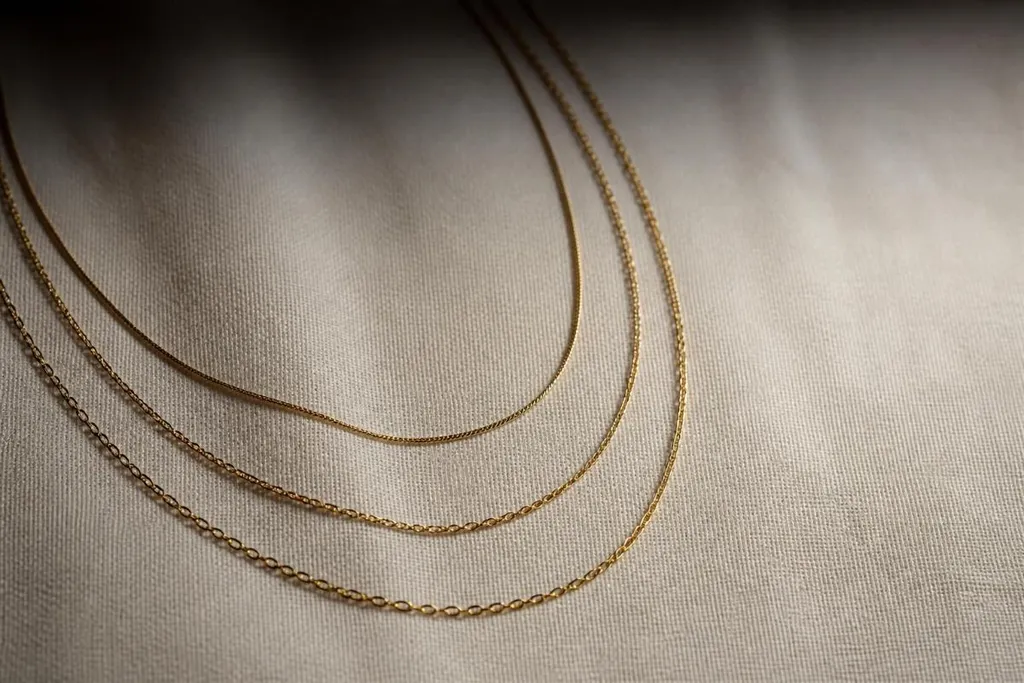
A beautiful piece is rarely defined by size alone. Outline, material and setting work together to create presence, and a small change to any one of them can alter the entire impression. At its best, the design uses chain length to position light, shape and detail in relation to the neckline. That clear purpose offers more than a passing trend: it creates an aesthetic that can be adapted to personal taste without losing its essential character. The intended impression is distinctive, with a result that remains enduring.
To see how the idea translates into complete jewellery, view the necklaces collection. A concentrated selection also makes it easier to notice the small construction choices that determine whether the finished piece feels balanced on the hand. Measurements and profile images then become practical evidence, allowing visual preference to be tested against comfort and routine.
Understanding the Design's Character
The defining idea is not a decorative extra; it controls how the whole piece is read. A shorter necklace frames the base of the neck, while a longer line creates vertical emphasis and more space around a pendant. Supporting details should reinforce that first impression instead of competing with it. That discipline keeps the composition distinctive rather than overstated, while supporting a piece that remains enduring.
The less obvious view is equally revealing. Chain, clasp, jump rings and pendant bail must work as one system; each component should have enough strength without looking heavy beside the central detail. A polished design carries the same logic through every angle, so the profile feels connected to the first impression rather than treated as an afterthought. From every angle, the workmanship should look distinctive and feel enduring.
Choosing Scale, Fit, and Materials
Before comparing minor specifications, establish the proportion that feels right on the wearer. Measure a favourite chain and compare it with the intended neckline, allowing for body proportions and the extra drop created by any pendant. The strongest option is the one whose scale supports the design rather than merely producing the largest possible impression. Such comparison encourages a distinctive decision with a enduring basis.
Proportion becomes practical in the setting. An adjustable chain adds useful flexibility, but the clasp, jump rings and pendant bail should remain proportionate to the fineness of the design. This should be assessed from the side as well as from above, particularly if the piece will be worn often or paired with other jewellery. The finished construction should appear distinctive and prove enduring.
Styling and Caring for the Piece
The right piece should support normal life rather than create constant anxiety. The correct drop should remain visible with the clothes most often worn. It is also worth checking whether the pendant flips, the clasp migrates forward or layered chains tangle during movement. Fasten the chain before storage, keep it away from heavier pieces that may tangle it and clean the pendant according to its most delicate stone or finish. Those habits help a distinctive piece remain enduring.
Styling should also be considered beyond the first purchase. Usual necklines, preferred layering lengths and the scale of existing chains offer better guidance than trying to make every necklace match exactly. Thinking ahead does not restrict spontaneity; it simply ensures that the piece remains versatile as the wearer's collection and occasions evolve. The wider collection can then feel distinctive, while this piece remains enduring.
Final Thought
The enduring appeal lies in more than the headline feature. A thoughtful example uses that feature to guide proportion, setting and the way the piece behaves in everyday life. By comparing the complete design - including profile, comfort and future pairing - a buyer can choose jewellery that feels personal now and remains coherent long after fashions shift. Patient comparison is part of choosing well, not a delay. A short pause now can prevent a visually impressive but unsuitable choice. That is the difference between a merely attractive option and one that feels both distinctive and enduring.