Understanding Cloud Mining and Its Benefits
Cloud mining emerges as a beacon of accessibility within the ever-complex world of cryptocurrency. It allows users to engage in mining activities without the hefty investment in expensive hardware, promoting inclusivity within the blockchain ecosystem. Through this innovative solution, one can harness the power of mining remotely, tapping into data centers that possess the necessary infrastructure and computational resources. When exploring options, cloud mining without hardware provides comprehensive insights into participating in the cryptocurrency space.
What Is Cloud Mining?
Cloud mining is a method by which individuals can mine cryptocurrencies without necessary physical hardware. Instead of purchasing and maintaining costly mining rigs, users can rent hashing power from a third-party provider, typically located in remote data centers. This service simplifies the mining process and reduces the technical know-how typically required to set up and manage mining hardware effectively.
The Advantages of Mining Without Hardware
- Cost Efficiency: Reduces upfront costs associated with purchasing mining equipment.
- No Maintenance Hassles: Users avoid the complications of hardware maintenance and repairs.
- Flexibility: Easily switch between different mining contracts based on market conditions.
- Accessibility: New users can participate without extensive technical knowledge.
Security Considerations in Cloud Mining
While cloud mining offers numerous benefits, it is essential to remain vigilant about security. The risk of fraud and malicious attacks persists in this space, making it crucial for individuals to choose reputable providers. This includes verifying details such as the integrity of the company, security features in place, and user reviews. Additionally, understanding the storage practices of funds and mined assets is vital for safeguarding investments.
Choosing the Right Cloud Mining Provider
Key Features to Look For in Providers
- Transparency: Look for clear contract terms, potential fees, and mining operations.
- Reputation: Research the provider's track record and user feedback in the community.
- Infrastructure: Ensure they have reliable data centers with robust hashing power.
- Customer Support: Reliable support channels to assist with any issues encountered.
Top Cloud Mining Services Compared
When evaluating cloud mining services, consider factors like hashing power, payout structures, and contract duration. Some popular platforms include Genesis Mining, NiceHash, and BitDeer, each offering unique features and price points that cater to varied user requirements. Research these services meticulously to determine which aligns best with your mining goals.
Reviews and Reputation in the Crypto Community
Community feedback is a potent predictor of a provider's credibility. Forums, social media platforms, and dedicated cryptocurrency review sites can provide insights into user experiences and common issues, aiding potential users in making informed decisions about their cloud mining pursuits.
Setting Up Your Cloud Mining Account
Step-by-Step Registration Process
Setting up an account with a cloud mining provider is typically straightforward. Most platforms require basic personal information and may necessitate identity verification in compliance with KYC (Know Your Customer) regulations. Pay attention to the initial steps to ensure that the account is secured correctly with strong passwords and two-factor authentication (2FA).
Choosing and Managing Your Mining Contracts
After registration, users can select mining contracts based on their budget and expected returns. Pay close attention to the terms, including duration and payout frequency, as these factors can significantly influence overall profitability. Regularly reviewing contract performance will help you decide whether to continue or switch providers.
Integrating Your Digital Wallet Securely
Integrating a secure digital wallet with your cloud mining account is essential for managing earnings. Consider using hardware wallets for optimal security, as they store funds offline. This approach minimizes vulnerability to hacking and ensures that your investments remain secure.
Maximizing Earnings from Cloud Mining
Strategies for Enhancing Profitability
- Diversification: Explore various cryptocurrencies and contracts to spread risk.
- Market Timing: Pay attention to cryptocurrency market trends to make informed mining schedule adjustments.
- Cost Management: Keep an eye on fees and optimize your contract choice accordingly.
Monitoring Your Cloud Mining Performance
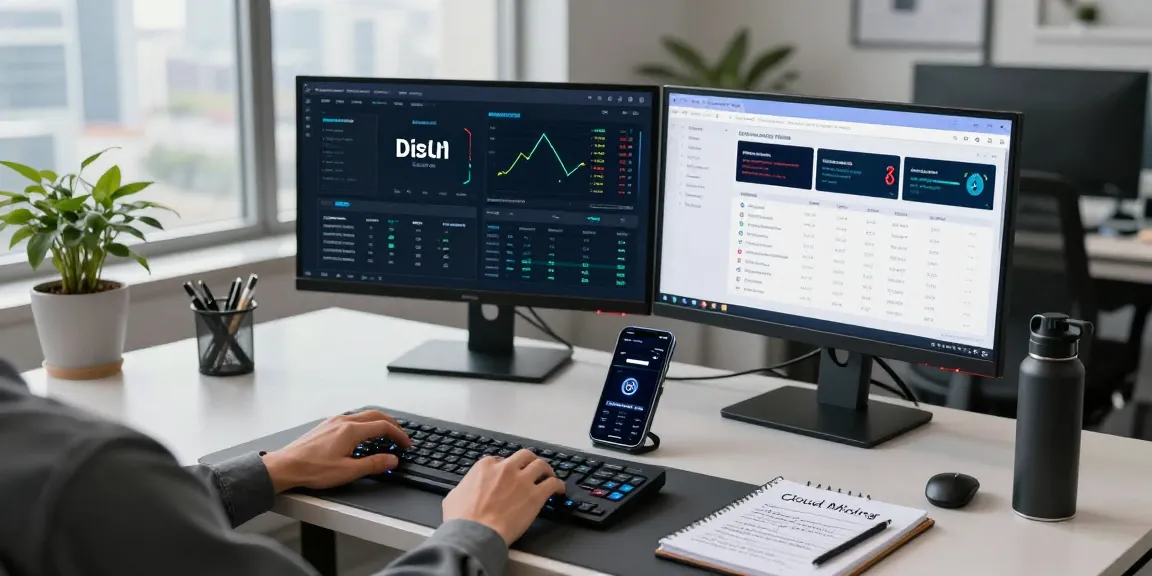
Continuous monitoring of mining performance is crucial. Utilize the tools provided by your cloud mining service for tracking metrics like hashing efficiency, earnings, and any applicable fees. Staying informed will allow you to make timely decisions regarding your investments.
Tax Implications and Regulatory Considerations
Understanding tax implications of your cloud mining activity is necessary to remain compliant. Cryptocurrency earnings are typically subject to capital gains tax; thus, keeping detailed records of transactions and earnings is vital. Consult with a qualified tax professional to ensure adherence to local regulations.
Future Trends and Technologies in Cloud Mining
Emerging Innovations in Cloud Mining Technologies
The future of cloud mining is likely to integrate advanced AI and machine learning algorithms to optimize hash power allocation and improve cost efficiencies. Additionally, the rise of decentralized cloud mining solutions may offer gamblers greater autonomy over their mining activities, reducing reliance on single centralized providers.
Blockchain Developments Impacting Cloud Mining
Technological advancements in blockchain, particularly concerning scalability and transaction speeds, may influence cloud mining practices. Innovations like layer-2 scaling solutions could provide the infrastructure needed to support an expanded landscape of mining operations.
Preparing for a Competitive Cloud Mining Landscape in 2026
Competition in the cloud mining sector is expected to intensify as more players enter the field and traditional mining methods evolve. Staying ahead may require continuous education, adaptability to changing technologies, and an understanding of shifting regulatory environments.
What is cloud mining without hardware?
Cloud mining without hardware refers to the ability to mine cryptocurrencies by renting computing power from remote servers instead of requiring personal hardware. This approach minimizes the high costs and technical challenges associated with owning physical mining equipment.
How does cloud mining secure your investments?
Security in cloud mining largely hinges on the provider's commitment to protecting user investments through strong encryption, regular audits, and clear operational protocols. Users are also advised to implement their security measures by utilizing hardware wallets and keeping software updated.
Which are the leading cloud mining platforms?
Some of the leading cloud mining platforms include Genesis Mining, BitDeer, and NiceHash. Each offers distinct features like contract types and pricing, making it essential for prospective miners to assess options according to their individual investment strategies.
How to monitor the performance of cloud mining?
Monitoring cloud mining performance can be accomplished through dashboards provided by mining platforms. Keeping track of earnings, the efficiency of hashing power, and contract performance can help miners optimize their strategies for better returns.
What are the risks associated with cloud mining?
Risks related to cloud mining include the potential for scams, fluctuations in profitability due to market conditions, and the dependence on third-party providers. To mitigate these risks, individuals should conduct thorough due diligence and understand the contracts they enter.