The Importance of Quality in Architectural Model Making
In the realm of architectural and industrial model making, quality serves as the foundation upon which successful projects are built. With intricate designs and complex structures, the precision in crafting models directly influences how they are perceived by clients, stakeholders, and potential investors. As an Architectural model maker Germany, we recognize that elevating the aesthetic and functional quality of models not only impresses but also instills confidence in the final design. This article will delve into why quality is paramount in our work and how we strive to meet and exceed our clients' expectations.
Understanding Client Needs and Expectations
Architectural models are not merely physical representations; they encapsulate the vision and aspirations of clients. Understanding these needs requires in-depth discussions to uncover what clients envision for their projects. Through these conversations, we gather vital information about the project’s goals, intended message, target audience, and any specific elements that must be highlighted. This collaborative approach ensures that the final model resonates with the original vision and serves its intended purpose effectively.
Common Mistakes in Model Quality Assessment
Quality in architectural model making can sometimes be subjective, leading to potential pitfalls. One common mistake is to rely solely on visual appeal without considering the functionality of the model. A model that looks good on the surface but fails to accurately represent the project’s details may mislead stakeholders. Additionally, neglecting to account for the materials used can also impact the longevity and durability of the model. Ensuring that each aspect, from design to finish, meets high standards is crucial for a successful outcome.
Measuring Success Through Customer Satisfaction
Ultimately, the success of an architectural model is measured through customer satisfaction. We take pride in our ability to deliver models that fulfill client expectations and resonate with their vision. Regular feedback during the design and construction processes allows us to make necessary adjustments, ensuring that the final product aligns with the client’s aspirations. This iterative process not only enhances the model's quality but also fosters a strong partnership built on trust and transparency.
Exceptional Techniques Used by Architectural Model Makers in Germany
To create high-quality models, we employ a variety of advanced tools and techniques that enhance both precision and efficiency. The architectural model making industry has witnessed significant advancements in technology, enabling model makers to produce highly detailed and accurate representations of their designs.
Advanced Tools and Technologies for Model Building
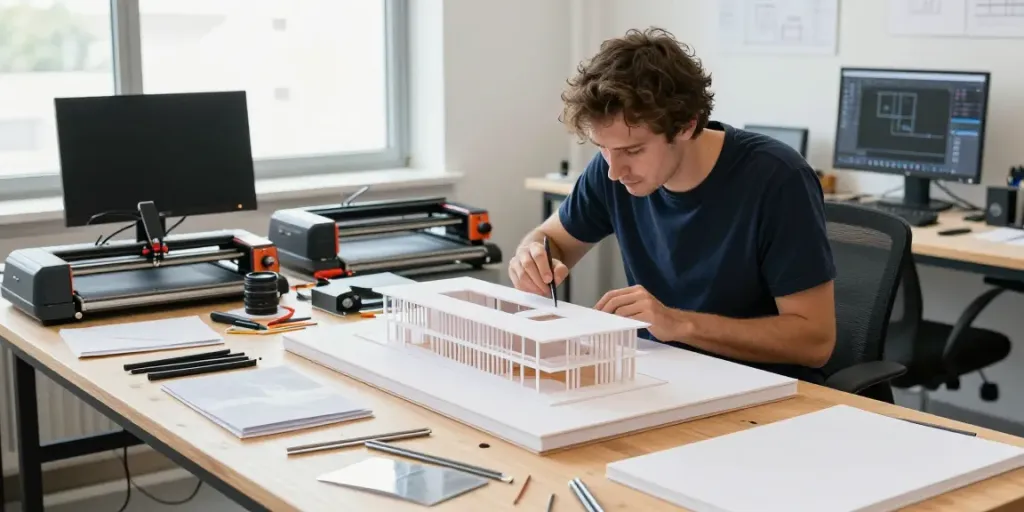
Our workshop is equipped with cutting-edge tools that allow for a diverse range of modeling techniques. We utilize CNC milling machines, laser cutters, and 3D printers to create intricate components with exacting precision. These technologies facilitate the creation of complex geometries and unique textures that traditional methods may not achieve as effectively. Whether it's a detailed facade or a landscape feature, these tools help us bring our clients' visions to life.
Innovative Materials and Their Benefits
The selection of materials plays a crucial role in the quality of architectural models. We frequently use lightweight materials for easy transport and durability, including acrylic, MDF, and various types of plastics. Each material comes with its unique set of benefits, allowing us to achieve different aesthetic effects and functionalities. For instance, acrylic can mimic glass, providing an elegant finish for presentation models. Understanding the properties of materials enables us to choose the best options tailored to each project’s needs.
The Role of CAD and 3D Printing in Modern Practices
Computer-Aided Design (CAD) software, such as SketchUp, allows for the creation of precise virtual models before any physical building begins. Coupled with 3D printing, we can expedite the prototyping phase, creating tangible models that can be assessed and refined early in the design process. This integration of technology minimizes errors and enhances creativity, allowing architects to visualize their design intentions better.
Types of Architectural Models We Create
Architectural model makers in Germany offer a variety of models tailored to meet different project requirements. Understanding the purpose behind each type of model allows clients to choose the best fit for their specific needs.
Presentation Models vs. Competition Models
Presentation models are crafted to showcase the final design to clients and the public, focusing on aesthetics and detail. In contrast, competition models emphasize functionality and clarity, often used in design competitions to convey the project's vision succinctly. Each model type serves a distinct purpose, and we ensure that the chosen approach aligns with the client’s goals.
Functional and Interactive Model Features
Incorporating interactive elements into models can elevate their effectiveness significantly. From movable parts to integrated lighting and sound features, these models engage viewers and provide a deeper understanding of the project’s dynamics. Such enhancements can be particularly beneficial for urban planning projects where stakeholders need to visualize interactions within a space.
Environmental Models and Their Importance in Planning
Environmental models play a crucial role in demonstrating how architectural designs integrate with their surroundings. These models can help evaluate factors such as sunlight exposure, environmental impact, and ecological balance. As sustainable design becomes increasingly relevant in architectural practices, these models are essential for illustrating a project’s commitment to the environment.
Best Practices for Collaborating with an Architectural Model Maker
To achieve the best results, effective collaboration between clients and model makers is essential. Implementing best practices throughout the design process can significantly enhance the quality of the final product.
Setting Clear Objectives and Deliverables
At the outset of any project, it’s crucial to establish clear objectives and deliverables. This clarity allows both parties to align their goals and understand the expectations throughout the model-making process. Drafting a project timeline and outlining specific milestones can mitigate misunderstandings and set a clear path for progress.
Effective Communication Throughout the Project
Continuous communication is vital to ensure that any adjustments or feedback are addressed promptly. Regular updates and check-ins can help maintain momentum and ensure that the project stays on track. Open channels of communication also facilitate a collaborative environment where ideas can be exchanged freely, leading to innovative solutions.
Feedback Loops and Iterative Design Processes
Incorporating feedback loops allows clients to review the model at various stages of development. This iterative approach ensures that any concerns are addressed promptly, preventing larger issues down the line. By involving clients throughout the process, we can make adjustments that truly reflect their vision and requirements.
Future Trends in Architectural Model Making for 2026 and Beyond
The architectural model making industry is poised for several exciting trends in the coming years. As technology evolves and societal needs shift, the practices and methodologies of model makers will also adapt.
Impact of Sustainability on Model Making Practices
As sustainability becomes a priority in architecture, model makers are increasingly incorporating eco-friendly materials and practices into their work. This shift not only appeals to environmentally conscious clients but also strengthens the industry's commitment to sustainable design. Using recycled materials and energy-efficient production processes are just a few ways that model makers can contribute positively to the environment.
Emerging Technologies Transforming the Industry
Advancements in technologies like virtual reality (VR) and augmented reality (AR) are beginning to influence architectural model making. These technologies allow viewers to interact with models in immersive ways, providing a richer understanding of spatial dynamics and design intentions. As these technologies become more mainstream, we anticipate that they will fundamentally alter how models are presented and experienced.
Predictions for Architectural Design and Representation
Looking to the future, the role of architectural model makers will evolve as design methodologies continue to embrace collaborative and multifaceted approaches. We predict that models will become even more integral in the design process, serving not just as final presentations but as collaborative tools throughout the planning and development phases.
What is the role of architectural model makers in modern architecture?
Architectural model makers serve as crucial intermediaries between architects and their clients. They translate complex architectural concepts into tangible models, facilitating better communication and understanding among all parties involved. Furthermore, they help architects visualize their designs from various perspectives, leading to more refined and successful projects.
How can I choose the best architectural model maker in Germany?
Choosing the right architectural model maker involves assessing their portfolio, expertise, and materials used. Look for a model maker with a proven track record of successful projects and positive client testimonials. Additionally, it’s important to ensure that they are adaptable and willing to collaborate closely with you throughout the project.
What are the common materials used in architectural models?
Common materials for architectural models include wood, plastic, acrylic, and metal. Each material offers unique advantages depending on the intended use—whether for durability, aesthetics, or ease of manipulation. Understanding the properties of different materials can help clients make informed decisions about their model specifications.
How do architectural models impact project presentations?
Architectural models greatly enhance project presentations by providing visual and tactile representations of designs. They allow stakeholders to better grasp the scale, proportions, and aesthetics of a project, which can be pivotal in securing approvals and attracting investments. A well-crafted model can effectively communicate the essence of a design, persuading those involved of its potential.
What innovations are shaping architectural model making in the future?
Future innovations in architectural model making are likely to revolve around sustainability, technology integration, and enhanced interactivity. As model makers adopt more sustainable practices and leverage technologies like 3D printing and VR, they will be able to create models that are not only visually stunning but also environmentally responsible and engaging for audiences.