Understanding the Role of Collaboration in Design
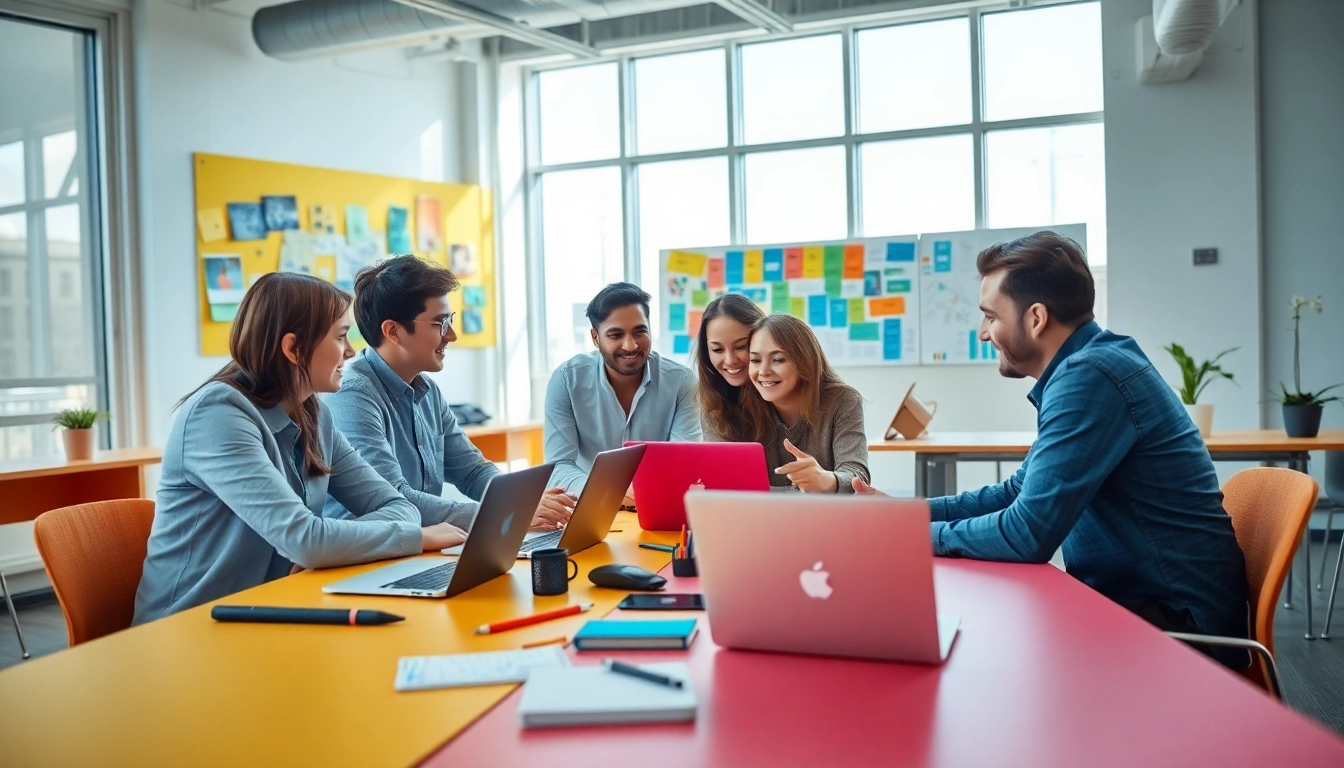
Collaboration is at the heart of successful design projects, driving innovation and creativity. It allows diverse perspectives to converge, leading to solutions that may not arise in isolation. In the contemporary design landscape, where complexity is ever-increasing, the dynamics within a team are crucial for outstanding results. As the design process unfolds, fostering a collaborative environment involves various elements that directly contribute to effective teamwork. You can explore more about exceptional designers and their projects at https://bestdesignersintheworld.com/.
The Importance of Team Dynamics
Team dynamics refer to the behavioral patterns and interactions that occur when people work together. Strong team dynamics encourage open communication, trust, and respect among team members, which are essential for collaboration. When individuals feel valued, they are more likely to share their ideas freely, leading to enhanced creativity and problem-solving. Moreover, diversity in a team can bring forth unique insights that contribute significantly to the design process.
Types of Collaboration in Design Projects
There are several collaboration models in the design process, including:
- Cross-Functional Teams: These teams bring together members from different departments such as marketing, engineering, and design to gain a holistic understanding of project requirements.
- Co-Creation: This approach involves engaging stakeholders, including users, in the design process, ensuring their needs and perspectives influence outcomes.
- Remote Collaboration: In an increasingly digital world, utilizing technology to coordinate efforts among remote teams has become vital.
Common Challenges in Collaborative Design
While collaboration is essential, it brings its own set of challenges. Miscommunication and differing goals or visions can lead to conflicts. Additionally, managing diverse personalities and work habits can create friction within a team. Addressing these challenges requires proactive strategies such as regular check-ins and conflict-resolution practices to ensure alignment and facilitate smoother teamwork.
Effective Communication Techniques for Designers
Effective communication is crucial in any collaborative project. It fosters clarity, understanding, and a sense of belonging within the team, ultimately leading to better design outcomes.
Tools for Streamlined Communication
Several tools can streamline communication among design teams:
- Project Management Software: Platforms like Trello, Asana, or Jira help organize tasks and update team members on project deadlines.
- Instant Messaging Apps: Tools like Slack or Microsoft Teams enable quick exchanges, essential for fostering an agile design process.
- Video Conferencing: Zoom or Google Meet facilitates discussions and presentations regardless of geographic barriers, enhancing face-to-face interactions.
Cultivating a Collaborative Mindset
Designers should adopt a mindset that values collaboration, where sharing knowledge and inviting input becomes routine. This culture of collaboration can be nurtured by encouraging team members to express their ideas and promoting a non-judgmental environment. Team-building exercises can also help strengthen this mindset, reinforcing the importance of working together towards common objectives.
Establishing Clear Objectives and Goals
Setting clear objectives is fundamental to effective communication. It helps in aligning the efforts of all team members and clarifying expectations. Teams should leverage specific, measurable, achievable, relevant, and time-bound (SMART) criteria when establishing goals, ensuring everyone is on the same page regarding project direction and outcomes.
Utilizing Technology to Enhance Collaboration
Technology plays a pivotal role in modern design collaboration, enabling teams to work efficiently and innovatively. The right tools can enhance communication, simplify processes, and aid creative brainstorming.
Design Software That Encourages Teamwork
Advanced design software such as Adobe Creative Cloud and Figma allows multiple users to work simultaneously on projects. Features like version control and real-time collaboration can drastically reduce turnaround times and increase productivity, ensuring that design changes are reflected immediately and feedback is integrated seamlessly.
Virtual Collaboration Platforms
Virtual collaboration platforms provide an environment for teams to share documents, conduct meetings, and brainstorm ideas remotely. Tools like Miro and Notion facilitate collaborative brainstorming sessions where team members can visually represent their thoughts and ideas, enhancing creativity and engagement among participants.
Leveraging Cloud Services for Accessibility
Cloud storage solutions such as Google Drive and Dropbox offer accessibility to project files anytime and anywhere. This feature is crucial for remote teams, as it allows easy sharing of resources and ensures that team members always have access to the latest versions of documents and designs.
Best Practices for Running Collaborative Design Sessions
Conducting effective collaborative design sessions involves structure and flexibility, aiming to optimize both the process and outcomes of brainstorming initiatives.
Structuring Productive Meetings
Meetings should have a clear agenda that outlines the topics for discussion, intended outcomes, and roles of participants. Allocating specific time slots for each agenda item ensures that discussions remain focused and efficient. It’s equally essential to designate a facilitator who can guide conversations and manage time effectively during these meetings.
Implementing Feedback Loops
Establishing feedback loops is essential for ensuring that team members can voice their suggestions and concerns continuously. This can be done through regular evaluations of design concepts, encouraging open discussions, and incorporating changes based on collective insights. Creating a culture of constructive feedback not only enhances design quality but also fosters a sense of ownership among team members.
Encouraging Creativity and Innovation
To promote creativity, teams can employ techniques such as brainstorming sessions, design sprints, or even role-playing exercises that allow members to think outside the box. Furthermore, creating a stimulating environment can elevate creativity; incorporating elements like inspirational artwork or flexible workspaces encourages innovative thinking and exploration of new ideas.
Measuring the Success of Collaborative Design Initiatives
Measuring success in collaborative design initiatives allows teams to evaluate their effectiveness, make informed adjustments, and celebrate their achievements.
Key Performance Indicators to Track
Key performance indicators (KPIs) such as project completion rates, teamwork satisfaction ratings, and the quality of design outputs are vital metrics for assessing collaborative efforts. Regularly reviewing these KPIs can help teams identify areas of improvement and recognize successful collaboration efforts.
Gathering and Analyzing Feedback
Collecting feedback from team members and stakeholders provides valuable insights into the collaboration process. Techniques such as surveys, interviews, or feedback sessions can be implemented to gather diverse perspectives. Analyzing this feedback can inform future collaboration endeavors and solidify best practices.
Adjusting Strategies for Improvement
Collaboration is an evolving process that requires adaptability. By regularly assessing outcomes and gathering feedback, teams can refine their strategies, adjust workflows, and continue to enhance the collaborative environment. Implementing small changes can dramatically improve the overall experience and effectiveness of collaborative design efforts.
Frequently Asked Questions
What is the essence of collaboration in design?
Collaboration in design encourages diverse perspectives, enhancing creativity and innovation, leading to superior design solutions.
How can technology facilitate design collaboration?
Technology streamlines communication, allows remote access to project files, and supports real-time collaboration, increasing team efficiency.
What tools are essential for effective design collaboration?
Essential tools include project management software, instant messaging apps, video conferencing, and design software to foster teamwork.
How can teams measure the success of collaborative efforts?
Teams can track KPIs, gather feedback, and assess project outcomes to measure and improve collaborative success.
What practices enhance creativity during collaborative design sessions?
Encouraging open brainstorming, employing role-playing exercises, and creating an inspiring environment can stimulate creativity and innovation.