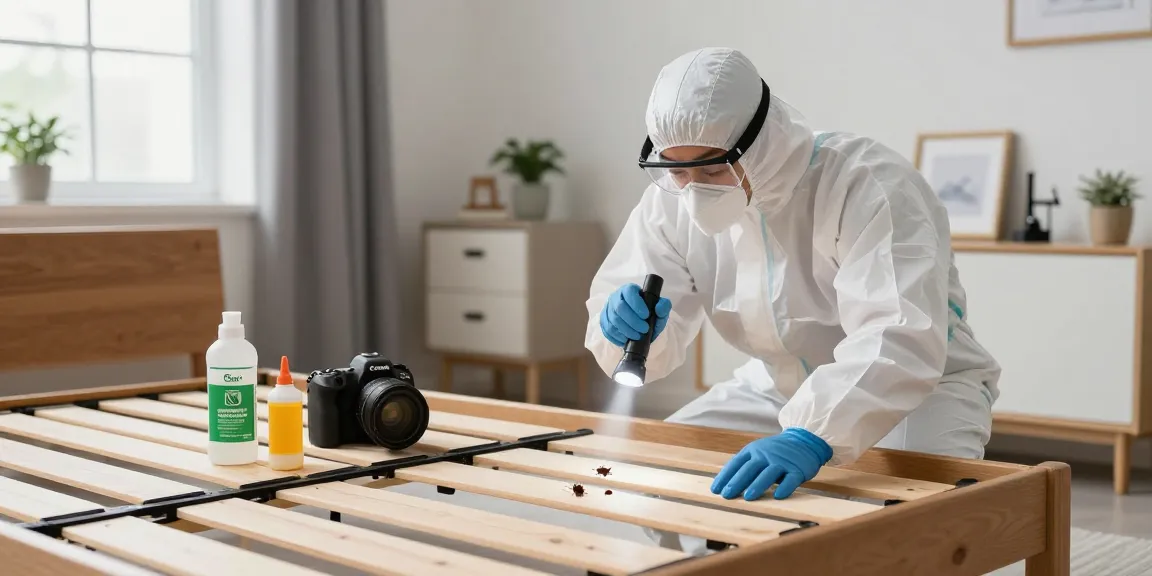
Understanding Bed Bugs: Facts and Statistics
Bed bugs are small, elusive pests that have been a nuisance to households and businesses for centuries. Their resurgence in recent years has created significant concern among property owners, particularly in urban areas like Milwaukee. Understanding the intricacies of bed bug behavior and their reproductive habits is crucial for effective management and prevention. When exploring options, bed bug treatment strategies can help you regain control of your environment.
What are Bed Bugs and How Do They Spread?
Bed bugs (Cimex lectularius) are small, reddish-brown insects that feed primarily on the blood of humans, although they can also bite other warm-blooded animals. They are adept hitchhikers and can easily travel from one location to another through luggage, clothing, or used furniture. Their ability to hide in small crevices during the day makes them difficult to detect until there is a significant infestation.
Key Facts About Bed Bug Behavior and Habitats
Bed bugs typically reside in areas where people sleep, such as beds, sofas, and armchairs. They are nocturnal creatures that come out at night to feed, often leaving behind itchy welts. Adult bed bugs can live for several months without feeding, making them particularly resilient to periodic treatment methods. Common hiding spots include:
- Seams of mattresses and box springs
- Behind headboards and bed frames
- In cracks in walls and furniture
Current Statistics on Bed Bug Infestations
According to recent studies, bed bugs have been reported in an estimated 80% of US cities and have impacted numerous households. Over the past decade, infestations have increased significantly, prompting many pest control professionals to prioritize effective treatment solutions. Understanding these statistics highlights the importance of timely intervention.
Identifying a Bed Bug Infestation
Before embarking on a treatment journey, it’s essential to identify the signs of a bed bug infestation. Early detection can save you time, money, and the stress associated with an extensive outbreak.
Common Signs of Bed Bugs in Your Home
Indicators of bed bug presence include:
- Itchy red welts on your skin, often in a line or cluster
- Small bloodstains on your sheets from crushed bugs
- Dark spots on bedding, which are droppings
How to Conduct a Thorough Bed Bug Inspection
To perform a thorough bed bug inspection, follow these steps:
- Inspect your mattress, box spring, and bed frame.
- Check behind headboards, picture frames, and furniture.
- Look in cracks and crevices around the home.
If you suspect bed bugs but can’t visually confirm their presence, consider hiring a professional to conduct a K9 inspection, where specially trained dogs are used to detect bugs by scent.
When to Call a Professional Exterminator
If you identify signs of a bed bug infestation, it's best to consult professionals immediately. DIY treatments often do not address the problem effectively, leading to larger infestations. An expert exterminator can provide a comprehensive evaluation and an effective treatment plan tailored to your unique situation.
Bed Bug Treatment Options Available
With various options available, it's essential to understand the benefits and drawbacks of each bed bug treatment method to choose the right one for your needs.
Overview of Chemical Treatments for Bed Bugs
Chemical spray treatments serve as a popular option due to their effectiveness. These treatments often come with a residual effect, providing long-lasting protection, sometimes up to 120 days. While effective, they should be used with caution, following all safety guidelines to minimize health risks to occupants and pets.
Benefits of Heat Treatment and Eco-Friendly Solutions
Heat treatment is an eco-friendly solution that effectively kills all life stages of bed bugs, including their eggs. By raising the temperature of the infested area to a level lethal to bed bugs, this method provides a thorough and chemical-free approach to treatment. Additionally, heat treatment can eliminate other allergens, making it an excellent choice for households with allergy sufferers.
Comparing DIY Methods vs. Professional Services
While some might opt for do-it-yourself (DIY) treatment methods, these often fail to eliminate established infestations. DIY products lack the comprehensive reach needed for effective eradication. Professional services, on the other hand, utilize commercial-grade insecticides and methods designed to penetrate all hiding spots, ensuring effective elimination.
Implementing Effective Bed Bug Treatment Strategies
Once you’ve chosen your treatment method, implementing an effective strategy is key to successful bed bug eradication.
Step-by-Step Guide to Preparing Your Home for Treatment
Preparation is crucial for effective treatment. Here are steps to follow:
- Declutter the affected areas to minimize hiding spots.
- Wash all bedding, linens, and clothing in hot water.
- Vacuum thoroughly to remove any visible bugs and debris.
Post-Treatment Care and Prevention Tips
After treatment, follow these recommendations to prevent re-infestation:
- Encapsulate mattresses and box springs with bed bug-proof covers.
- Keep your living space clean and clutter-free.
- Regularly inspect your home, particularly after travel.
Long-Term Solutions for Bed Bug Control
Implementing long-term solutions may include continuing monitoring and regular professional inspections. Educating yourself about bed bug behavior and potential signs of infestations can also help you maintain a bed bug-free environment.
Future Trends in Bed Bug Treatment
As technology continues to advance, so do the methods used to combat bed bug infestations. Understanding emerging trends can provide insight into more effective treatment options for the future.
Innovative Technologies and Techniques in Pest Control
Future treatments may include innovative approaches such as targeted heat treatments or the use of drones for large-scale inspections. These tools can provide enhanced efficiency and efficacy in controlling bed bugs.
Expert Predictions for Bed Bug Treatment in 2026
Experts predict that by 2026, advancements in pest control technology will allow for more precise treatments with minimal environmental impact. This will likely lead to higher success rates in bed bug eradication and lower chances of re-infestation.
Understanding Regulatory Changes Impacting Treatment Options
As awareness of bed bug issues grows, so do regulations surrounding pest control. Understanding these changes can help you make informed decisions about the treatments you utilize in your home or business.
What are the signs of a bed bug bite?
Bed bug bites are often painless initially but can lead to itchy red welts on the skin. These welts may appear in clusters or lines where bugs have bitten multiple times, typically during the night.
How long does it take for bed bug treatment to work?
Depending on the treatment method, results can vary. Chemical treatments may take several days to show results, while heat treatments can provide immediate relief.
Are heat treatments safe for home furnishings?
Yes, heat treatments are generally safe for most home furnishings. However, it’s essential to consult with professionals to avoid damage to heat-sensitive items.
How can I prevent future bed bug infestations?
Preventive measures include regular inspections, maintaining cleanliness, and being cautious when bringing used items into your home. Regular professional inspections can provide additional peace of mind.
What should I do if I suspect bed bugs while traveling?
When traveling, inspect your sleeping area upon arrival, keep luggage off the floor, and wash clothes upon returning home to reduce the risk of bringing bed bugs back.