Understanding the 3D Pergola Configurator
In the evolving landscape of outdoor aesthetics, the 3D Pergola Configurator has emerged as an invaluable tool for homeowners, contractors, and businesses alike. This innovative technology enables users to visualize, customize, and order pergolas with unmatched precision and ease. By leveraging advanced 3D modeling, the configurator allows for real-time adjustments and instant feedback, providing a seamless experience from design to installation. When exploring options, 3D Pergola Configurator provides comprehensive insights into customization possibilities, ensuring every detail aligns with the customer’s vision.
What is a 3D Pergola Configurator?
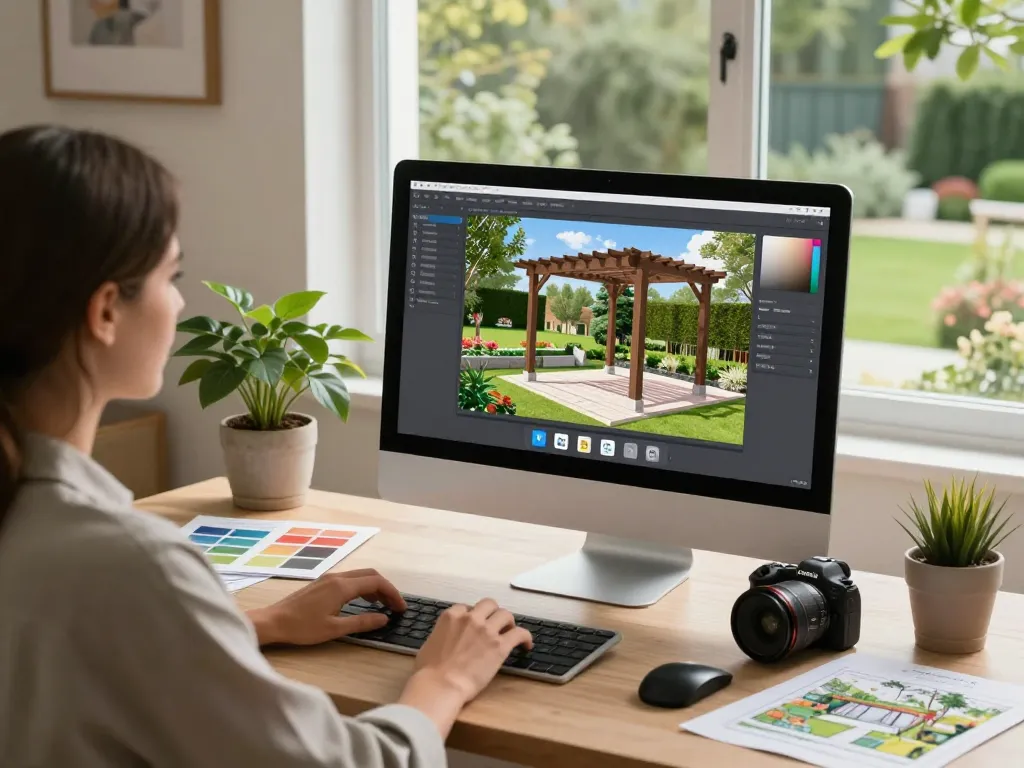
A 3D Pergola Configurator is a digital tool that allows users to design and visualize their pergola in three dimensions. Unlike traditional design methods, this configurator offers an interactive platform where users can manipulate dimensions, colors, materials, and additional features. By simulating the finished product, customers can make informed decisions while seeing the pergola integrated into their outdoor spaces. This tool not only streamlines the design process but also enhances customer satisfaction by providing a clear visual representation of the final result.
Key Features That Enhance User Experience
- Real-time 3D Visualization: Users can manipulate the design in real-time, allowing for instant adjustments and clear visual feedback.
- Interactive Design Elements: Options for different roof types, side panels, and accessories can be easily incorporated, giving users full control over the design.
- Instant Pricing: As users configure their pergolas, real-time pricing updates provide immediate cost estimates, reducing the back-and-forth typically associated with custom orders.
- Integrated Quoting System: The ability to generate professional quotes on-demand simplifies the sales process and enhances customer engagement.
- Augmented Reality (AR) Features: Some configurators integrate AR, allowing customers to visualize their design in the actual space using their smartphone or tablet.
Benefits of Using a 3D Configurator in Sales
Employing a 3D Pergola Configurator in sales processes offers numerous benefits that can significantly impact revenue and customer satisfaction. Some of the key advantages include:
- Enhanced Customer Engagement: By allowing customers to actively participate in the design process, businesses can build stronger relationships and foster confidence in the final product.
- Reduced Sales Cycle: Quick and accurate quotes eliminate lengthy back-and-forth communications, speeding up the decision-making process for customers.
- Higher Conversion Rates: Visualizing a personalized product helps customers feel more connected to their choices, often leading to a purchase.
- Streamlined Operations: Combining design, pricing, and project management into one tool simplifies workflows and minimizes errors.
Integrating the Configurator into Your Business Workflow
To maximize the advantages of a 3D Pergola Configurator, businesses must strategically integrate it into their existing workflows. This ensures a coherent system that enhances overall efficiency and customer satisfaction.
Streamlining Sales Processes with Automation
Automation is key to optimizing sales processes when utilizing a configurator. By embedding automated workflows within the configurator, businesses can minimize manual tasks and focus on delivering exceptional service. This can include automated follow-ups, reminders for customer inquiries, and seamless transitions from design to sales.
Best Practices for Customer Engagement
Engaging customers effectively involves more than just providing a configurator. Here are best practices:
- Provide Training: Ensure that sales staff are well-versed in how to use the configurator and can assist customers effectively.
- Encourage Exploration: Allow customers to experiment with different designs and features without pressure, fostering a more enjoyable experience.
- Follow Up: Use automated systems to send personalized communications, keeping customers informed about their designs and options.
Real-World Examples of Successful Implementation
Many businesses have successfully integrated 3D configurators into their sales strategies. For instance, a regional outdoor living company reported a 30% increase in sales after implementing a 3D configurator that allowed clients to visualize their pergola options. Another instance involves a landscape architecture firm that streamlined customer interactions by configuring products in real-time, resulting in faster approvals and higher customer satisfaction ratings.
Designing Customized Pergolas in Real-Time
Real-time design capabilities enable businesses to accommodate customer preferences more effectively. This adaptability can significantly impact project success and customer loyalty.
Interactive Features That Capture Customer Attention
Interactive features are essential for capturing customer interest and making the design process engaging. Options such as adjustable lighting, color schemes, and landscaping elements allow users to create a personalized outdoor haven. These features not only enhance the configurator's utility but also provide customers with a sense of ownership over their design.
Visualizing Projects with Precision and Clarity
The power of a 3D configurator lies in its ability to translate ideas into visual representations. Clear, detailed visuals allow customers to understand dimensions, materials, and aesthetics before making a purchase, reducing the likelihood of errors and dissatisfaction later on.
Transforming Designs into Professional Quotes Instantly
The ability to generate professional quotes instantly is a game changer for sales processes. As customers finalize their designs, having a system that automatically compiles all necessary information into a polished quote enhances professionalism and reduces delays. This also allows sales representatives to focus on providing exceptional service rather than getting bogged down in administrative tasks.
Marketing Strategies for Your 3D Pergola Configurator
Effectively marketing a 3D Pergola Configurator requires a blend of current digital marketing techniques and a focus on customer experience. Below are strategies to enhance visibility and attract leads.
SEO Best Practices for Configurator Visibility
To ensure your 3D configurator reaches the right audience, adhering to SEO best practices is crucial. This includes optimizing website content with relevant keywords, such as "custom pergola design" and "3D outdoor configurator." Additionally, creating valuable content that addresses customer pain points can improve search rankings and enhance user engagement.
Leveraging Social Media for Lead Generation
Social media platforms offer an excellent opportunity to showcase your configurator. Sharing interactive posts, videos of customer designs, and testimonials can create buzz around your product. Utilizing targeted ads can also help reach potential customers interested in outdoor living solutions.
Creating Compelling Content Around Customer Experiences
Content marketing is a powerful way to engage potential customers. Sharing case studies, blog posts about successful configurations, and testimonials from satisfied clients can help build trust and credibility. Compelling visual content, such as before-and-after photos or time-lapse videos of the construction process, can also entice customers to choose your configurator.
Future Trends in 3D Configurators and Outdoor Structures
As technology advances, the future of 3D configurators appears promising. Staying ahead of trends will be essential for businesses wishing to remain competitive.
Emerging Technologies Shaping the Industry
Emerging technologies such as artificial intelligence (AI) and augmented reality (AR) are set to revolutionize the outdoor construction industry. AI can enhance customer experiences by providing personalized recommendations based on user behavior, while AR lets customers envision their designs in real-time within their environment, providing an immersive experience.
Predictions for Customization Preferences in 2026
As consumer preferences evolve, the demand for customization will only increase. In 2026, we can anticipate more sophisticated configurators that offer even greater levels of personalization, incorporating features like smart home integration and eco-friendly materials.
Preparing Your Business for Future Challenges
To remain competitive, businesses must be agile in adapting to trends. Investing in ongoing training and development for staff, being responsive to customer feedback, and continually updating the configurator features will be critical. Establishing a robust online presence and leveraging data analytics will also help identify areas for improvement and capitalize on emerging market opportunities.
How Can a 3D Pergola Configurator Help My Business?
Implementing a 3D Pergola Configurator can streamline the sales process, enhance customer engagement, and increase conversion rates. By providing a platform for customers to visualize and customize their pergolas, businesses can foster a deeper connection with their clients and ultimately drive sales.
What Features Are Most Important in a Configurator?
Key features to look for in a configurator include real-time 3D visualization, instant pricing updates, an integrated quoting system, and customizable options for various materials and styles. Additionally, interactive features that make the design process engaging will significantly enhance user experience.
How Do I Best Market My 3D Configurator?
Effective marketing for a 3D configurator involves SEO optimization, leveraging social media, and creating value-driven content that resonates with potential customers. Building a strong brand presence and reputation through customer testimonials and case studies can also enhance credibility and attract leads.
What Are the Costs Involved with Implementing This Tool?
The costs of implementing a 3D configurator can vary based on features, customization, and the provider. Businesses should consider both initial setup costs and ongoing maintenance fees to ensure that they select a solution that aligns with their budget while providing adequate functionality.
Can the Configurator Be Customized for Different Products?
Yes, a versatile 3D configurator can be adapted for various products beyond pergolas. Customization options can include different types of outdoor structures, such as gazebos, awnings, and garden rooms, allowing businesses to expand their offerings and cater to diverse customer needs.