
A parking lot is more than just a place to park cars; it’s a significant capital asset and a critical component of your property’s first impression. In Utah’s climate, with its intense summer sun, freeze-thaw cycles, and heavy use, asphalt pavement faces a relentless assault. Neglecting it leads to rapid deterioration, safety hazards, and expensive reconstruction projects that disrupt business.
The key to protecting this investment isn’t reactive repair but proactive, comprehensive care. To truly maximize the lifespan of your parking lot, you need a strategic maintenance plan that addresses wear and tear at every stage. This approach transforms asphalt from a consumable expense into a durable, long-term asset, providing better return on investment and enhanced safety for users.
This guide outlines the essential components of a complete pavement management strategy. We’ll explore the foundational importance of proper installation, the critical role of routine maintenance like sealcoating and crack filling, and how to plan for major repairs. By understanding and implementing these phases, property managers and business owners in Utah can ensure their pavement remains functional, safe, and aesthetically pleasing for decades.
The Foundation: Quality Installation and Materials
A long-lasting parking lot begins long before the first car parks on it. The lifespan of asphalt pavement is fundamentally determined by the quality of its initial installation. Cutting corners during construction inevitably leads to premature failure, no matter how diligent your maintenance efforts might be later.
A proper installation starts with a stable, well-compacted base. This sub-base layer, typically composed of graded aggregate, must be engineered to support the weight of vehicles and withstand ground movement. In Utah, proper drainage planning is non-negotiable. Water is asphalt’s primary enemy; without adequate slope and drainage systems to channel water away, subsurface erosion and frost heave will quickly compromise the pavement structure.
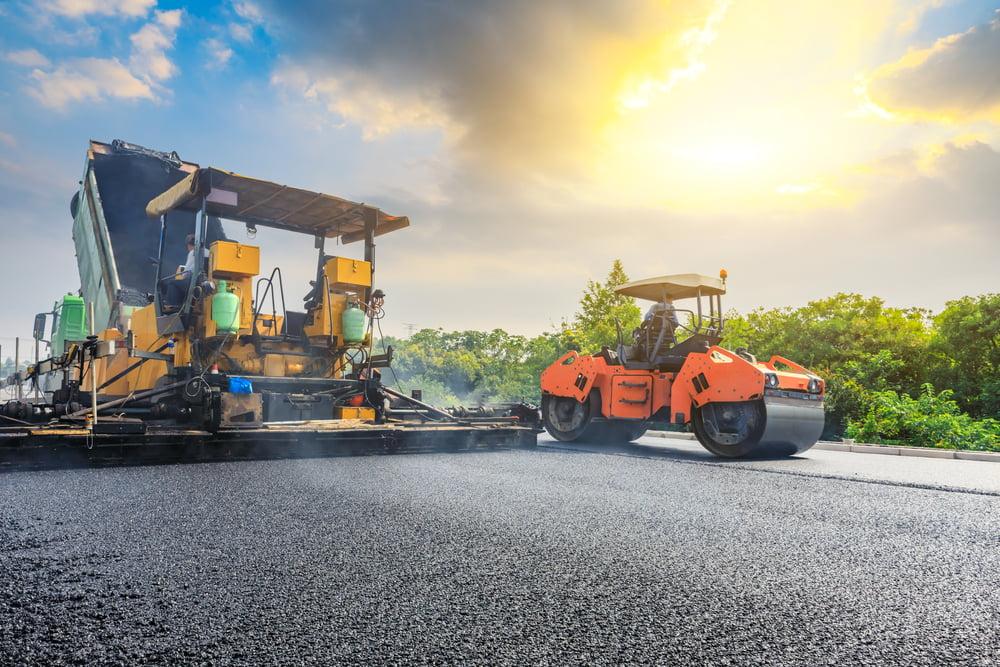
The asphalt mix itself must be suited to local conditions. Reputable contractors use high-quality, durable aggregates and the correct asphalt binder grade for Utah’s temperature extremes. The mix must be laid at the proper temperature and thickness, then compacted with specialized equipment to achieve the required density. Insufficient compaction leads to premature raveling (loss of aggregate) and rutting. Investing in professional asphalt services Utah for the initial build is the single most effective step you can take to maximize longevity and minimize future headaches.
Proactive Maintenance: The Key to Longevity
Once your pavement is properly installed, a regimen of proactive maintenance is essential. Think of it as routine healthcare for your parking lot—addressing small issues before they become major, costly problems. This phase is where the most significant lifespan extension occurs.
Regular Inspections and Crack Sealing
A biannual inspection, ideally in spring and fall, is crucial. Look for new cracks, areas of standing water, and signs of surface wear. Cracks are the primary entry point for water. When water seeps into the base layer, it weakens the support structure and, during winter, expands as it freezes, widening the cracks further. Professional crack sealing involves cleaning the crack and filling it with a hot-pour rubberized sealant that remains flexible, preventing water intrusion and stopping the crack from spreading.
Sealcoating as a Protective Barrier
Sealcoating is the process of applying a protective coal-tar or asphalt-based emulsion over the pavement surface. It is not a structural fix but a vital shield. A fresh sealcoat protects the asphalt binder from oxidation and degradation caused by UV rays, gasoline, oil, and de-icing chemicals. It also restores a rich, black color, improving curb appeal. For most Utah parking lots, a new sealcoat every 2-3 years is a cost-effective way to add years of service life.
Addressing Damage: Timely Repairs and Resurfacing
Even with excellent maintenance, asphalt will eventually show signs of wear that require more than surface treatment. Timely intervention at this stage prevents localized damage from escalating into a parking lot-wide failure.
Potholes are the most common symptom of advanced distress. They form when cracks go unsealed, allowing water to erode the base. The unsupported asphalt surface then collapses under traffic loads. Proper pothole repair involves removing the damaged material, squaring the edges, and compacting new hot-mix asphalt in layers. “Throw-and-go” cold patches are a temporary fix at best.
When the pavement surface shows widespread cracking (alligator cracking), raveling, or minor rutting, but the base remains sound, asphalt overlay or resurfacing is the appropriate solution. This involves milling off the top damaged layer (typically 1.5-2 inches) and paving a new layer of asphalt over the existing base. It’s a major repair, but far less expensive and disruptive than a full reconstruction. Partnering with a provider of expert asphalt services Utah ensures these repairs are diagnosed correctly and executed to last.
Planning for the Inevitable: Full-Depth Reconstruction
All asphalt pavement has a finite design life. After 20-30 years, even the best-maintained lot may suffer from base failure, where the underlying soil and aggregate base can no longer support the pavement. When evaluations show that repairs and overlays are no longer cost-effective, full-depth reconstruction becomes necessary.
This process involves complete removal of the old asphalt and often several inches of the base material. The subgrade is then re-graded and compacted, a new engineered aggregate base is installed, and a full new asphalt pavement is laid. While it is the most capital-intensive option, it resets the clock on your pavement’s lifespan for another generation. Budgeting for this eventuality as part of a long-term capital plan prevents financial surprise.
The Utah Climate Factor
Utah’s unique environment demands specific considerations. The freeze-thaw cycle is particularly destructive. Water trapped in pores and cracks expands when it freezes, creating immense internal pressure. This makes spring crack sealing absolutely critical. Summer heat can soften asphalt, making it more susceptible to rutting from heavy vehicles. Using a polymer-modified asphalt mix designed for high-temperature performance can mitigate this.
Furthermore, the use of de-icing salts and chemicals in winter accelerates the oxidation of asphalt binder and can be corrosive. Regular sealcoating provides a necessary barrier against these chemicals. A comprehensive maintenance plan tailored by local professionals will account for these regional challenges.
Frequently Asked Questions
How often should I sealcoat my Utah parking lot?
For most commercial lots in Utah, sealcoating every 2 to 3 years is optimal. High-traffic areas like entrances or loading zones may need it more frequently. The best practice is to have a professional inspection annually to assess the condition of the existing sealcoat and determine the ideal timing.
What’s the difference between crack filling and crack sealing?
Crack filling is typically a temporary, cost-effective method using lower-grade materials to reduce water intrusion and debris. Crack sealing is a longer-term solution using hot-applied, rubberized sealants designed to expand and contract with the pavement. For a strategy to maximize lifespan, professional crack sealing is the recommended approach for most cracks.
Can I repair asphalt in the winter?
Effective, permanent asphalt repairs require hot-mix asphalt, which plants typically do not produce during cold weather. While cold patches can be used for emergency pothole repairs in winter, they are temporary. Planning major repairs for late spring through early fall ensures the use of hot mix and proper compaction for a lasting result.
How long should a new asphalt parking lot last?
With a high-quality installation and a consistent, comprehensive maintenance plan, a commercial asphalt parking lot in Utah can have a service life of 20 to 30 years before requiring full reconstruction. Without proactive maintenance, that lifespan can be cut in half or more due to accelerated deterioration.
Is it worth repairing an old parking lot, or should I just replace it?
This is a cost-benefit analysis best performed by a professional. Generally, if the damage is confined to the surface (top 25%) and the base is stable, repairs and overlays are cost-effective. If an evaluation reveals widespread base failure, subgrade issues, or drainage problems, full reconstruction is often the more prudent long-term investment.
What are the first signs my parking lot needs attention?
Early warning signs include hairline cracks, small areas of faded or gray oxidized asphalt, and minor pooling of water after rain. Addressing these immediately with crack sealing and sealcoating is the most cost-effective way to prevent larger issues like potholes and alligator cracking.
Conclusion
Maximizing the lifespan of your parking lot is not a matter of luck; it’s the direct result of a deliberate, comprehensive management strategy. This process begins with investing in quality installation and continues with an unwavering commitment to proactive maintenance—regular inspections, prompt crack sealing, and periodic sealcoating. By addressing minor issues before they escalate, you protect the structural integrity of your pavement and avoid the steep costs of major repairs.
For property owners and managers in Utah, adapting this strategy to local climate challenges is essential. Partnering with experienced professionals who understand the demands of freeze-thaw cycles and summer heat ensures your plan is effective. Viewing your pavement as a depreciating asset that requires scheduled care transforms it from a liability into a durable, valuable, and safe component of your property for years to come.