What is Astaxanthin?
Definition and Origin
Astaxanthin is a powerful carotenoid pigment that belongs to the same family as beta-carotene, lutein, and zeaxanthin. This pigment is responsible for the reddish color in salmon, shrimp, and flamingos, among other organisms. Unlike many other antioxidants, astaxanthin is unique because it can cross the blood-brain barrier and the blood-retinal barrier, giving it remarkable potential for both neurological and eye health.
Astaxanthin is primarily derived from microalgae, particularly Haematococcus pluvialis, which is recognized as one of the richest natural sources of this compound. The production of astaxanthin in nature occurs as a protective response for these organisms against various environmental stresses, such as UV radiation and oxidative stress. Thus, the presence of astaxanthin in marine life serves both ecologically and nutritionally, making it a crucial subject of study in the field of health and wellness.
Health Benefits of Astaxanthin
Astaxanthin has gained significant attention in both scientific literature and health circles for its comprehensive health benefits. Numerous studies highlight its potential to enhance skin health, support cardiovascular function, reduce inflammation, and boost immune function.
Some notable health benefits include:
- Skin Health: Astaxanthin is celebrated for its ability to protect skin from UV damage, improve skin elasticity, and reduce the appearance of fine lines due to its strong antioxidant capabilities.
- Cardiovascular Support: By preventing the oxidation of LDL cholesterol, astaxanthin can promote heart health and lower the risk of developing heart-related diseases.
- Anti-Inflammatory Effects: Astaxanthin inhibits inflammation at a cellular level, which can lead to relief from conditions like arthritis and muscle soreness post-exercise.
- Eye Health: It protects the eyes from oxidative stress and supports vision by filtering harmful blue light and improving blood flow to the retina.
- Enhanced Athletic Performance: Astaxanthin has been shown to enhance performance, endurance, and recovery in athletes due to its properties that reduce exercise-induced oxidative stress.
Sources of Astaxanthin
While astaxanthin can be found in some animal sources, the predominant source is microalgae. Below are the most common sources of astaxanthin that people can incorporate into their diets:
- Microalgae: Specifically, Haematococcus pluvialis is the principal source and can be consumed in supplement form.
- Seafood: Salmon, trout, shrimp, and lobster are rich in natural astaxanthin, contributing to their vibrant coloring.
- Supplement Form: Astaxanthin is available in capsules, soft gels, and powdered forms, making it convenient for those who wish to enhance their intake without altering their diet.
Safe Astaxanthin Dosage Guidelines
Recommended Daily Intake
Determining the appropriate safe astaxanthin dosage is essential for maximizing health benefits while minimizing possible side effects. Research suggests that a daily dosage of 4 to 12 mg of astaxanthin is generally considered safe for adults. Individuals may benefit from this range depending on personal health conditions, lifestyle, and dietary patterns.
For those using astaxanthin for specific purposes, such as athletic performance enhancement or skin health, slightly higher doses might be appropriate, though consulting a healthcare provider is advisable prior to increasing intake.
Factors Affecting Dosage
Several factors can influence the ideal dose of astaxanthin:
- Age and Gender: Generally, older adults may require different dosages than younger individuals, and women may have varying needs compared to men.
- Health Conditions: Those with specific medical conditions or those taking medications may need tailored dosages to ensure safety and efficacy.
- Weight: Body weight can play a role in determining dosage, with larger individuals possibly requiring more than those who are smaller.
- Purpose of Use: The desired outcome—whether it's general health, athletic performance, or skin improvement—can dictate the necessary dosage.
Common Mistakes to Avoid
When incorporating astaxanthin into one's regimen, it is important to avoid common pitfalls, including:
- Not Consulting a Healthcare Professional: Especially if you take other medications or have underlying health issues, it's important to seek advice before starting any new supplement.
- Exceeding Recommended Doses: Higher doses do not always equate to better results; following approved recommendations is crucial.
- Ineffective Timing: Taking astaxanthin consistently and at the correct times can impact its effectiveness. For best results, it’s often recommended to take it with meals.
Potential Side Effects and Risks
Short-Term vs. Long-Term Use
In general, astaxanthin is well-tolerated with few reported side effects. Short-term use, typically within recommended dosages, usually presents minimal risk, with some users experiencing mild side effects such as gastrointestinal disturbance or changes in skin color, particularly with excessive intake.
Long-term use of astaxanthin appears to be safe for most individuals. However, ongoing research is necessary to further explore the implications of prolonged use and to establish any long-term side effects.
Interactions with Other Supplements
Astaxanthin does not typically interact negatively with other supplements; however, it’s crucial to be cautious when combining it with blood thinners or medications that impact cholesterol levels. Monitoring for potential interactions can help mitigate health risks. Consulting with a healthcare provider before combining supplements is recommended.
Symptoms of Overdosage
While astaxanthin has a high safety profile, excessive intake may lead to symptoms such as:
- Skin discoloration, due to its pigmentation properties
- Gastrointestinal discomfort
- Fatigue or dizziness in rare cases
Staying within the recommended dosages considerably reduces the risk of these side effects.
How to Incorporate Astaxanthin into Your Diet
Supplement Forms Available
Astaxanthin supplements are widely available in various formats, which can cater to personal preferences and dietary restrictions:
- Capsules or Soft Gels: These are the most common forms, providing easy dosage control.
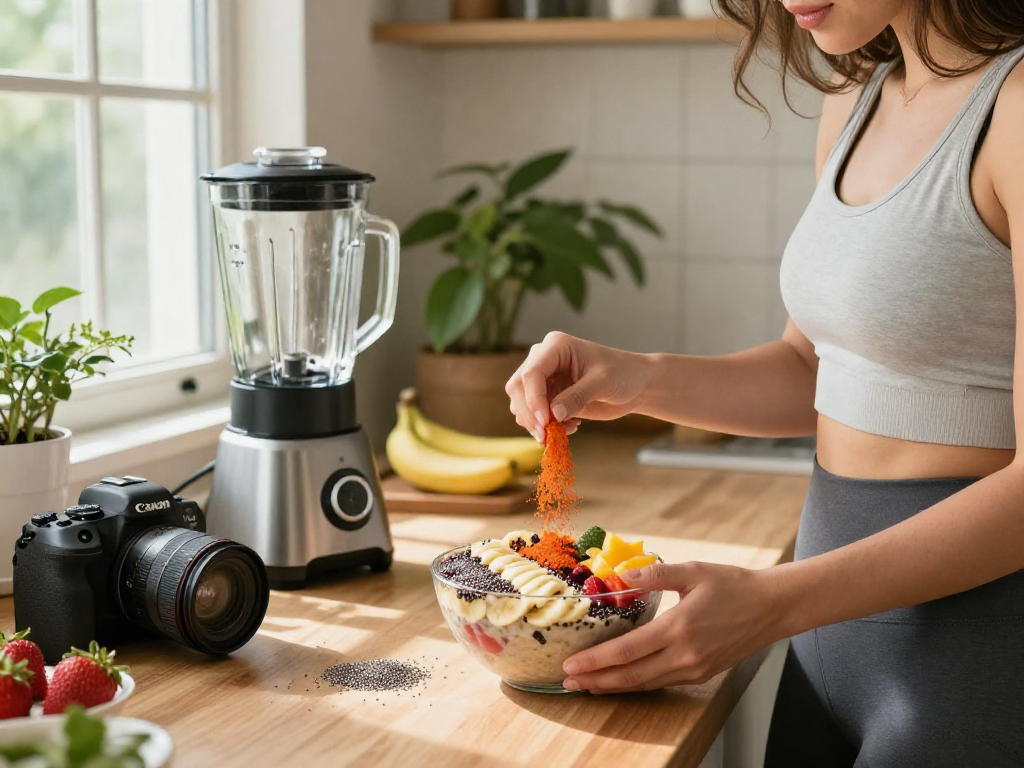
- Powders: Astaxanthin powder can be mixed into smoothies, shakes, or unflavored foods for those who prefer not to take pills.
- Food-Enhanced Products: Some foods, such as certain brands of salmon or health drinks, may be fortified with astaxanthin.
Cooking and Meal Ideas
For those looking to gain astaxanthin through their diet, consider incorporating the following meal ideas:
- Grilled Salmon: An excellent source of astaxanthin, easily prepared with herbs and spices for flavor.
- Shrimp and Avocado Salad: A healthy dish combining two astaxanthin-rich ingredients, loaded with beneficial fats and fiber.
- Astaxanthin Smoothie: Mix astaxanthin powder with fruits, vegetables, and protein sources in a blender.
Combining with Other Nutrients
Astaxanthin can be more effective when combined with other nutrients. For optimal health benefits, consider pairing it with:
- Healthy Fats: Since astaxanthin is fat-soluble, consuming it with healthy fats like avocado or olive oil can enhance absorption.
- Vitamin E: Both nutrients share antioxidant properties, which can work synergistically to protect cells from oxidative stress.
- Omega-3 Fatty Acids: Found in fish oil, these can further support cardiovascular health alongside astaxanthin.
Frequently Asked Questions
What is the best time to take astaxanthin?
The best time to take astaxanthin is with a meal, preferably one that contains healthy fats, as it enhances absorption.
Can I take astaxanthin for skin health?
Yes, astaxanthin is known for its skin health benefits, including protection from UV damage and improved skin elasticity.
Is astaxanthin safe for everyone?
Generally, astaxanthin is safe for most people, but it is wise to consult a healthcare provider if you have specific health conditions or take other medications.
How long does it take to see results from astaxanthin?
Results can typically be seen within a few weeks of consistent use, especially for benefits related to skin and exercise recovery.
Can I take astaxanthin if I'm pregnant or breastfeeding?
While astaxanthin is generally considered safe, pregnant or breastfeeding women should consult their healthcare provider before taking it.