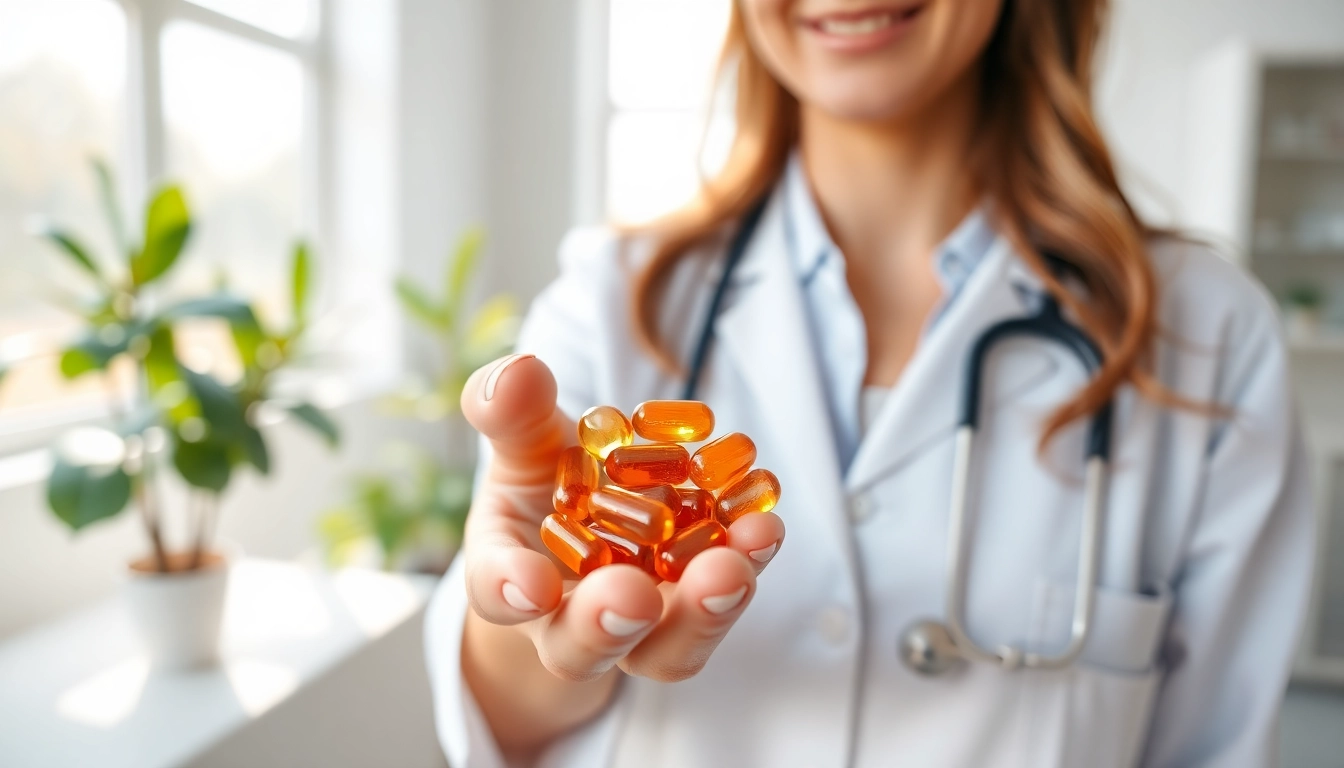
Introduction to Astaxanthin and Its Benefits
Astaxanthin is a powerful carotenoid with significant health-promoting properties. Often referred to as a super antioxidant, it is predominantly found in various marine organisms, particularly in microalgae, salmon, shrimp, and flamingos, giving them their vibrant pink color. This potent pigment has garnered attention for its potential health benefits and is available as a dietary supplement. Understanding the safe astaxanthin dosage is crucial to maximizing its benefits while minimizing any potential risks.
What is Astaxanthin?
Astaxanthin is a natural pigment belonging to the carotenoid family, which includes beta-carotene, lutein, and zeaxanthin. It is synthesized by microalgae, which forms the base of the food chain for many aquatic species. Astaxanthin is recognized for its exceptional antioxidant capacity—reportedly 6000 times stronger than vitamin C and 800 times more potent than Coenzyme Q10. This remarkable property contributes to its ability to combat oxidative stress and inflammation within the body.
Health Benefits of Astaxanthin
The health benefits of astaxanthin are numerous, impacting various aspects of health:
- Antioxidant Protection: By neutralizing free radicals, astaxanthin protects cells from oxidative damage, thereby reducing the risk of chronic diseases.
- Anti-Inflammatory Effects: It may help mitigate inflammation, which is integral in conditions like arthritis and heart disease.
- Skin Health: Astaxanthin has been shown to improve skin elasticity, moisture retention, and may protect against UV damage.
- Eye Health: It supports eye health by preventing oxidative stress in the retina and may reduce the risk of age-related macular degeneration.
- Enhancement in Physical Performance: Some studies suggest that astaxanthin can enhance exercise performance by reducing muscle fatigue and inflammation post-exercise.
A Brief History of Astaxanthin Usage
Astaxanthin has been used for centuries, primarily through dietary sources such as seafood. Indigenous populations in Alaska have consumed it through salmon and shellfish, while its use has expanded with modern dietary supplements. As research into its benefits has grown, more people worldwide have incorporated astaxanthin into their health regimes. The synthesis of astaxanthin in laboratories has furthered its availability as a supplement, making it accessible to those looking for natural health solutions.
Determining a Safe Astaxanthin Dosage
Determining a safe dosage of astaxanthin is critical for reaping its benefits without adverse effects. Dosage can vary based on individual health goals, age, weight, and general health status.
General Dosage Guidelines
Research indicates that the most common dosage ranges from 4 mg to 12 mg per day for health maintenance. However, the optimal dosage may vary depending on the desired outcomes:
- General Health: 4-6 mg daily is commonly used to support general health and antioxidant levels.
- Specific Health Goals: 8-12 mg daily may be reserved for those targeting specific health conditions, such as eye health or inflammatory issues.
- Professional Athletes: Some athletes may safely use higher doses, ranging from 12-40 mg, under medical supervision to enhance performance and recovery.
Age and Weight Considerations
Individual factors such as age and weight can significantly influence safe astaxanthin dosage. Generally, younger individuals or those with a lower body mass may require a lower dosage, while older adults or those with higher body weights may require higher amounts to achieve the same physiological effects. Customizing dosage based on these factors ensures optimal safety and efficacy.
Consulting with Healthcare Providers
Before beginning any supplement regimen, including astaxanthin, it is essential to consult with a healthcare provider. Professionals can help clarify the appropriate dosage, especially for individuals with pre-existing health conditions or those taking medications. This individualized approach can prevent adverse interactions and ensure the best outcomes.
Potential Side Effects and Risks
While astaxanthin is generally considered safe when taken at recommended dosages, some individuals might experience side effects or interactions with certain medications. Understanding these risks is crucial for responsible consumption.
Common Side Effects of Astaxanthin
Most users tolerate astaxanthin well; however, a minority may experience mild side effects, including:
- Stomach upset
- Digestive discomfort
- Changes in skin color (a harmless but noticeable effect)
These side effects are generally rare and tend to resolve when the dosage is adjusted.
Interactions with Medications
Astaxanthin may interact with certain medications, particularly those for blood pressure and blood thinners. If you are on medications, reviewing your supplement intake with your healthcare provider can ensure your regimen is both safe and effective.
When to Avoid Astaxanthin
Astaxanthin should be approached with caution in specific populations:
- Pregnant or breastfeeding women should consult a doctor before using any supplements.
- Individuals preparing for surgery or those with certain medical conditions should seek professional advice.
- If you experience adverse effects, discontinue use and consult with a healthcare professional.
Astaxanthin in Food Sources
Besides supplements, astaxanthin occurs naturally in a variety of foods—primarily in those sourced from the ocean.
Natural Sources of Astaxanthin
Including astaxanthin-rich foods in your diet can also contribute health benefits. Key natural sources of astaxanthin include:
- Wild-caught Salmon: Particularly sockeye salmon is abundant in astaxanthin due to its diet of plankton and algae.
- Shrimp: Both farmed and wild shrimp contain significant amounts of astaxanthin, which gives them their characteristic coloration.
- Microalgae: Haematococcus pluvialis is considered the richest source for commercial extraction.
Supplement Forms: Pros and Cons
Astaxanthin is available in various supplement forms, each with distinct benefits and drawbacks:
- Softgels: Easy to swallow and often more bioavailable.
- Pills: Convenient but may have lower absorption rates compared to liquid forms.
- Liquid Extracts: Highly bioavailable but may require careful measurement.
Choosing the right form of astaxanthin should align with your preferences, lifestyle, and dietary needs.
How to Incorporate Astaxanthin into Your Diet
Incorporating astaxanthin into your diet is simple and can be achieved through the following methods:
- Add salmon or shrimp to meal rotations for a delicious source of astaxanthin.
- Consider smoothies or shakes that include algae-based powder or supplements.
- Look for supplements that fit your dietary preferences, ensuring they are certified and free from contaminants.
Maintaining a balanced diet rich in natural antioxidants, including astaxanthin, can support overall health.
FAQs about Safe Astaxanthin Dosage
What is the recommended daily safe astaxanthin dosage?
The daily safe astaxanthin dosage typically ranges from 4 to 12 mg, depending on health goals and individual needs.
Can I take astaxanthin with other supplements?
Yes, astaxanthin can usually be taken with other supplements, but consult a healthcare professional for personalized advice.
Is there a maximum safe astaxanthin dosage?
While studies show that dosages up to 40 mg are generally safe, it’s best to stick to recommended dosages to avoid potential side effects.
Can astaxanthin cause any side effects?
Possible side effects include stomach upset or changes in skin color; however, these are rare when taken in recommended doses.
What factors influence individual safe astaxanthin dosage?
Factors like age, weight, health condition, and diet can influence the appropriate safe astaxanthin dosage for individuals.